
10-Day Morocco Tour from Marrakech: Chefchaouen, Fes and Sahara
Experience the best of Morocco on this unforgettable 10 Days…
View the Tour

Rabat is Morocco’s capital, an Atlantic city known for the Kasbah of the Oudayas, Hassan Tower, the Mohammed V Mausoleum, Chellah, and important museums. Its combination of historic neighborhoods, gardens, riverfront scenery, and modern avenues makes it a rewarding cultural destination.
Our Rabat tours connect the capital with Morocco’s imperial cities, northern destinations, and longer private journeys. Explore the itineraries on this page, then use this guide to choose when to visit, what to see, and how much time to allow.


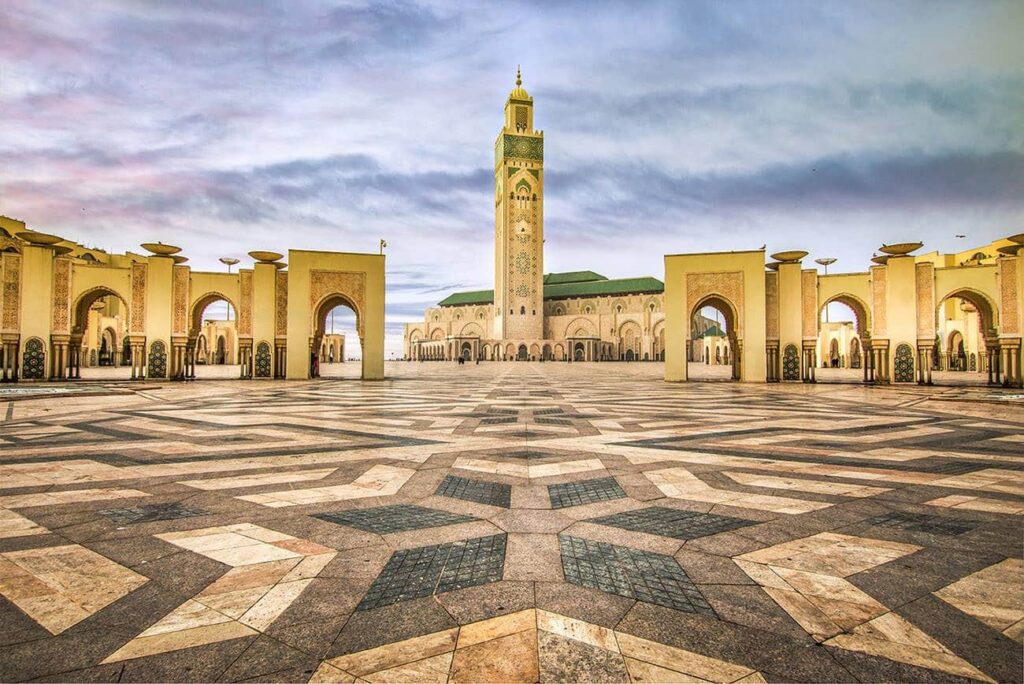

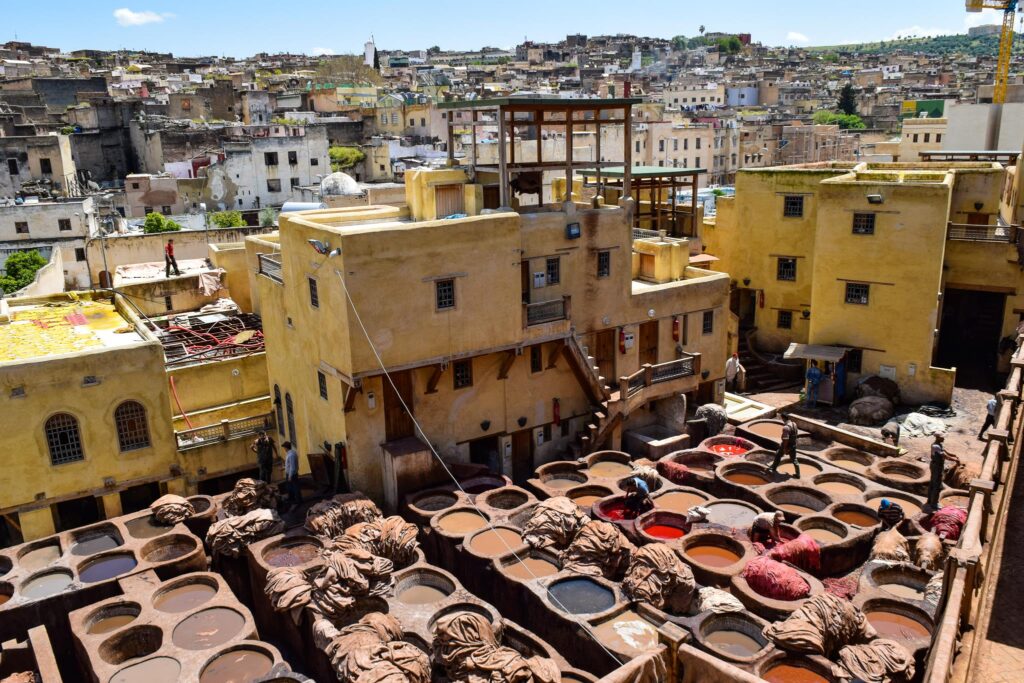
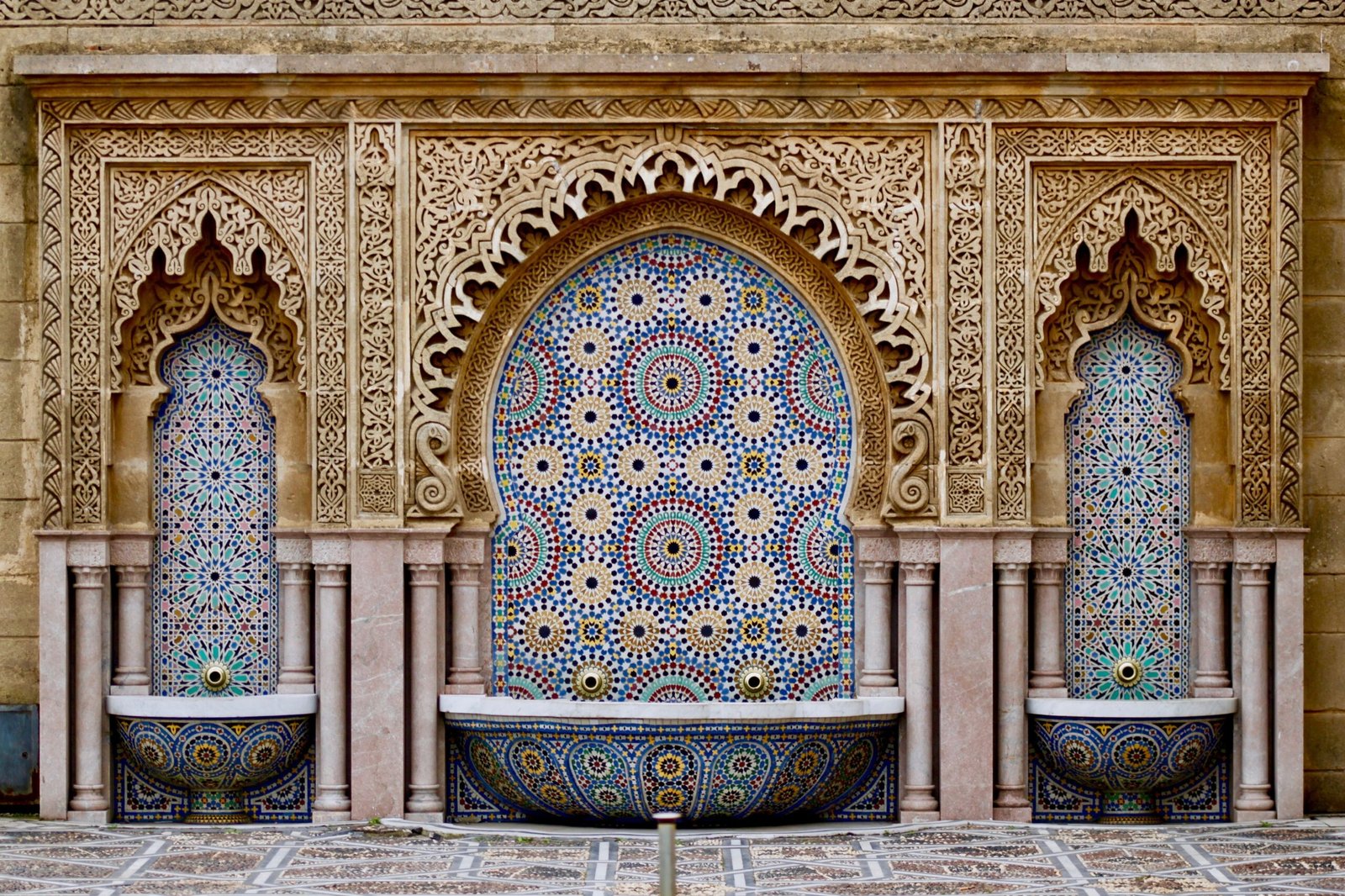
Rabat rewards travelers who leave time between its landmarks.
Begin among historic walls, pause in a garden, explore a museum, and finish beside the Bouregreg River. Each setting reveals a different part of the capital.
One full day provides an introduction to the main sights. Two days give you more space for museums, neighborhood walks, and relaxed meals.
Group nearby visits together. Rabat’s attractions are spread across different areas, so a thoughtful route makes the day more enjoyable.
| Question | Quick answer |
|---|---|
| Where is Rabat? | On Morocco’s Atlantic coast |
| Is it the capital? | Yes |
| Main attractions? | Oudayas, Hassan Tower, Chellah, museums |
| Suggested stay? | One to two full days |
| Best seasons? | Spring and early fall |
| Walking conditions? | Mixed surfaces, slopes, and some steps |
| Coastal setting? | Atlantic Ocean and Bouregreg River |
| Best approach? | Combine short walks with transfers |
Rabat brings together medieval heritage and modern urban planning.
Its appeal lies in the relationship between those layers: historic gates and neighborhoods, monumental sites, broad avenues, public buildings, and contemporary cultural spaces.
UNESCO recognizes Rabat as a modern capital and historic city whose different periods form a shared heritage. UNESCO’s Rabat heritage listing
Visit for the capital’s own character, with enough time to appreciate its history and everyday life.
For sightseeing, consider April through June or September through October.
Your ideal dates depend on the rest of your Morocco journey, your preferred temperatures, and how much time you want outdoors.
Spring is a useful season for combining monuments, gardens, and neighborhood walks.
Bring layers and light rain protection. A sheltered courtyard and an exposed waterfront can feel different on the same day.
Keep your itinerary flexible enough to move a museum visit into a wetter part of the day.
Summer generally brings warmer conditions and little rainfall.
Visit exposed sites earlier, allow time for lunch and rest, and carry sun protection. Confirm air conditioning in your accommodation if it matters to your comfort.
A coastal location does not guarantee a cooling breeze throughout every sightseeing route.
Early fall can offer a comfortable balance for exploring the city.
As the season progresses, pack an extra layer and allow for rain. Choose activities that remain enjoyable when outdoor plans change.
Winter can suit travelers who prioritize history, museums, and food.
Bring a jacket and rain protection. Ask your accommodation about heating, particularly when choosing a traditional property.
Plan exposed coastal walks around the weather.
These are 1991–2020 climate averages for Rabat–Salé, published by the World Weather Information Service.
“Day” means average daily high; “night” means average daily low. Neither represents the hottest or coldest temperature you might experience.
| Month | Average temperatures |
|---|---|
| January | Day: 63°F / 17.4°C; night: 45°F / 7.2°C |
| February | Day: 65°F / 18.2°C; night: 46°F / 7.8°C |
| March | Day: 68°F / 20.2°C; night: 49°F / 9.5°C |
| April | Day: 70°F / 21.2°C; night: 52°F / 10.9°C |
| May | Day: 74°F / 23.6°C; night: 56°F / 13.3°C |
| June | Day: 78°F / 25.6°C; night: 61°F / 15.9°C |
| July | Day: 81°F / 27.2°C; night: 64°F / 17.9°C |
| August | Day: 82°F / 27.8°C; night: 65°F / 18.3°C |
| September | Day: 80°F / 26.6°C; night: 62°F / 16.8°C |
| October | Day: 77°F / 24.8°C; night: 58°F / 14.4°C |
| November | Day: 70°F / 21.1°C; night: 51°F / 10.8°C |
| December | Day: 65°F / 18.6°C; night: 48°F / 8.8°C |
Fahrenheit values are rounded conversions. Rainfall is concentrated in the cooler part of the year, while summer is generally much drier. Official Rabat–Salé climate data
Check a current forecast before departure, including wind conditions for waterfront visits.
The Kasbah of the Oudayas, also spelled Udayas, is one of Rabat’s most rewarding historic areas.
Explore its lanes at a comfortable pace, noticing doorways, walls, and changes in perspective. Leave time to appreciate the setting.
Some routes include slopes or steps. If these are difficult for you, ask your guide to choose an appropriate approach.
Remember that the Kasbah is also residential. Keep doorways clear and ask before taking close photographs of people.
Combine the gardens with your Kasbah visit when access allows.
They provide a welcome pause between walking sections and a chance to appreciate a different side of the historic setting.
Check current opening arrangements locally. Allow time to sit and enjoy the surroundings.
Hassan Tower is the unfinished minaret of a monumental mosque project.
Visit the surrounding esplanade to appreciate the scale of the site and its relationship with the capital’s later landmarks.
A guide can explain the history behind the surviving structures. Plan to view the tower from the surrounding site rather than expecting a climb.
The Mohammed V Mausoleum stands near Hassan Tower and is an important royal memorial.
Look closely at the craftsmanship and architectural details while respecting the atmosphere of the site.
Follow posted access and photography instructions. Visiting arrangements may change for ceremonies or official activity.
The Moroccan National Tourist Office identifies Hassan Tower and the mausoleum as central elements of Rabat’s heritage. Rabat’s historic monuments
Chellah brings together archaeological remains, a medieval necropolis, and a distinctive landscaped setting.
Allow time to understand the different layers of the site.
Wear comfortable shoes and ask about uneven ground or inaccessible sections if mobility is a concern. Choose your visiting time with shade and temperature in mind.
Check the available ticket options before purchasing. Admission, audio interpretation, and an accompanied visit may be separate products.
Use the official Chellah visitor information for current arrangements.
This museum is worthwhile for travelers interested in archaeology.
Its collections follow a chronological route through different periods of Morocco’s past, helping visitors place archaeological sites within a broader story.
Consider combining it with Chellah across a two-day stay, allowing each visit enough time.
Check current hours and admission through the National Museums Foundation’s museum page.
Rabat’s cultural appeal extends beyond historic monuments.
The Mohammed VI Museum of Modern and Contemporary Art offers another perspective for travelers interested in Moroccan artistic expression.
Check current exhibitions before choosing a visit, especially if a particular artist interests you. Confirm opening days rather than assuming every museum follows the same schedule.
Rabat’s medina adds everyday commerce and neighborhood life to a cultural itinerary.
Choose a manageable route through shops and market streets. Ask about materials and workmanship when browsing, and agree clearly on prices before buying.
Tell your guide how much shopping time you would like.
The Bouregreg waterfront provides a change from enclosed streets and monument visits.
Choose a comfortable walking section or café stop according to wind, shade, and access.
If considering a boat crossing or another river activity, confirm operating conditions, boarding arrangements, and the return plan locally.
Across the river, Salé can add another chapter to a longer stay.
Treat it as a distinct visit with its own history and neighborhoods. A local guide can help choose a route that suits your interests.
Allow time for transportation and a relaxed visit.
A garden or park visit can make a sightseeing day more comfortable.
The Moroccan National Tourist Office highlights green spaces, including the botanical test garden and the Exotic Gardens of Bouknadel outside the center.
Choose according to location and available time. An out-of-town garden requires different planning from a short central break. Official Rabat destination guide
A coastal walk offers a broader sense of Rabat’s setting.
Choose the route according to conditions and your walking comfort. Stay within permitted areas and keep away from exposed edges during rough seas.
Follow local guidance before entering the water.
| Time available | Suggested approach |
|---|---|
| Half a day | Choose two main areas |
| One full day | Main monuments and a neighborhood walk |
| Two full days | Add museums and a slower pace |
| Three days | Include Salé or an additional excursion |
Travel time matters. A brief stop during a longer road journey offers less flexibility than a full day beginning and ending in Rabat.
Begin with the monumental site, allowing time to appreciate the setting and architectural details.
Continue with a transfer if that suits your group better than a long walk.
Explore a selected Kasbah route and include the gardens if open.
Take a proper lunch break nearby or at a restaurant that fits the next stage of your day.
Select one substantial afternoon visit.
Travelers interested in archaeology may prefer Chellah, while an indoor museum can suit different interests or weather.
Finish with a short waterfront stop if time and energy allow.
Combine Hassan Tower, the mausoleum, the Kasbah, and a relaxed riverfront break.
Keep the evening straightforward, with a meal near your accommodation.
Choose Chellah and a museum according to your interests.
Add a medina walk or Salé visit if the schedule remains comfortable.
A Rabat food experience can include a neighborhood meal, a carefully prepared Moroccan lunch, or a coastal restaurant.
Look for:
Ask about broth, sauces, and preparation if you follow a particular diet.
Our guide to dietary restrictions in Morocco provides additional planning information. Explain individual requirements before meals are arranged.
A central property can suit travelers who want access to museums, restaurants, and modern avenues.
Ask about street noise, elevator access, and transportation to your planned sights.
Traditional accommodation can provide atmosphere and convenient access to selected walking routes.
Confirm the distance from the vehicle drop-off point, luggage assistance, stairs, and room heating or cooling.
A hotel in a modern district may suit travelers who prefer conventional facilities or have other appointments in the city.
Compare its location with your sightseeing schedule and transportation arrangements.
A route including Casablanca can connect major Atlantic landmarks with time in the capital.
Choose whether Rabat will be a sightseeing stop or an overnight stay before deciding how many visits to schedule.
Travelers interested in architectural and dynastic history can continue toward Meknes and Fes.
Build in time to explore each city.
Our 12-day private Morocco tour from Casablanca includes Rabat within a wider route connecting cities, coast, mountains, and Sahara experiences.
Review the day-by-day program and confirm the final inclusions in your quotation.
If a desert experience is important to your trip, compare our Morocco desert tours.
Rabat and the Sahara require separate travel stages. Plan around realistic driving days and the time you want at each destination.
Our Morocco senior tours provide a starting point for discussing shorter walking sessions, regular breaks, and appropriate accommodation.
Explain individual needs before selecting the itinerary. Chellah, medina lanes, and Kasbah routes involve different walking conditions.
Travelers considering accommodation upgrades can explore our luxury Morocco tours.
For personalized planning around privacy and accommodation preferences, explore our Morocco LGBT tours.
Discuss the room category, location, facilities, and services you want when requesting a proposal.
Compare quotations by what they include.
Check transportation, accommodation, specialist guides, meals, admission fees, and airport transfers.
Our private Morocco tour cost guide explains how route length and travel choices influence the budget.
For admission planning, use official attraction information first. Our Morocco attraction entry-fee guide can help identify additional costs to discuss.
Keep Hassan Tower and the mausoleum together. Plan transfers between more distant areas.
Ask about slopes, stairs, uneven ground, and available seating.
Bring a light outer layer for riverfront and ocean visits, even when the forecast looks mild.
Follow local instructions concerning clothing, photography, and restricted areas. Access may change for ceremonies or official activity.
An English-speaking driver and a specialist city guide provide different services.
Confirm who accompanies your visits and which entrance fees are included.
Local cash is useful for smaller purchases and services where cards are unavailable.
Confirm prices and currency before accepting a service.
Rabat deserves time for its history, cultural spaces, and everyday atmosphere.
Tell us whether you want a brief introduction, a relaxed overnight stay, museum visits, or a longer journey through Morocco.
Browse the Rabat tours on this page and contact Gboo Morocco Tours to discuss a private itinerary suited to your interests and pace.
Yes. It combines major monuments, archaeology, museums, historic neighborhoods, and an Atlantic setting
Yes. Rabat is the capital of Morocco.
One full day introduces the main sights. Two days allow museums, additional neighborhoods, and a more relaxed pace.
April through June and September through October are useful starting choices for sightseeing. Consider your preferred temperatures and wider route.
Chellah operates visitor admission. Check the official site for current hours, ticket options, and restrictions.
Yes. Choose between a day excursion and an overnight stay according to your interests and onward plans
A guide is optional, but can add context and help organize visits across different parts of the city.

