
10-Day Morocco Tour from Marrakech: Chefchaouen, Fes and Sahara
Experience the best of Morocco on this unforgettable 10 Days…
From €1,400 per person
View the Tour

Fes, also spelled Fez, is one of Morocco’s historic imperial cities, known for its UNESCO-listed medina, ornate madrasas, traditional workshops, leather tanneries, and rich culinary heritage. It rewards travelers who enjoy architecture, craftsmanship, history, and discovering a city on foot.
Our Fes tours connect the city with Morocco’s imperial capitals, northern mountains, and Sahara Desert. Explore the itineraries on this page, then use this guide to plan your visit, choose your season, and discover the places that deserve your time.




Fes Tours and Travel Guide: Discover Morocco’s Cultural Heart
Experience Fes With Time to Look Closely
Fes reveals itself through details: cedar carving above a doorway, the sound of metalworkers in a square, a tiled fountain between shops, or the sudden quiet inside a courtyard.
The medina is also a working neighborhood. People live, shop, study, worship, and earn their living in the same streets visitors come to explore.
A rewarding visit balances important monuments with time to understand everyday life. Choose a manageable route, wear comfortable shoes, and leave room for questions.
For a first visit, allow two full days in the city if possible. Add another day for an excursion rather than trying to fit the medina and a distant destination into the same schedule.
Fes at a Glance
Planning question
What to know
Where is Fes?
In northern inland Morocco
Why visit?
Historic architecture, craftsmanship, food, and cultural heritage
What is the old city called?
Fes el-Bali
How long should you stay?
Two full sightseeing days provide a useful introduction
When should you visit?
Spring and fall generally offer comfortable walking conditions
Do you need a guide?
Optional, but particularly useful for an introduction to the medina
Can vehicles reach every riad?
No. Some properties require a walk from the nearest access point
Are Fes and Fez different cities?
No. They are alternative English spellings
Why Visit Fes?
Fes is especially rewarding for travelers who want to understand Morocco’s architectural and intellectual heritage.
Its historic streets connect religious buildings, former student accommodation, commercial spaces, workshops, fountains, and homes. These relationships help explain how the city developed.
UNESCO inscribed the Medina of Fez on the World Heritage List in 1981 and recognizes its exceptional historic urban fabric and continuing cultural traditions. UNESCO’s Medina of Fez listing
Fes also fits naturally into a wider journey. Combine it with Meknes, Chefchaouen, or a multi-day route through Merzouga and Erg Chebbi.
Best Time to Visit Fes
For a trip centered on walking and cultural sightseeing, April, May, and October are useful starting choices.
March and November can also suit travelers who prefer cooler conditions, provided they allow for rain. September remains warm, particularly earlier in the month.
Spring: March Through May
Spring is a good season for combining medina walks, architectural visits, and excursions.
Bring layers for changing temperatures and a light rain jacket. Shaded interiors can feel cooler than a sunny street.
Plan your day around your interests rather than assuming spring means identical conditions throughout the season.
Summer: June Through August
Summer calls for early starts and substantial breaks.
Visit exposed viewpoints and busy walking routes earlier in the day. Keep the warmest hours for lunch, rest, or a shorter indoor visit.
Confirm air conditioning in your actual bedroom before booking accommodation.
Fall: September Through November
Fall can work well for cultural sightseeing and a wider Morocco itinerary.
September may still feel hot, while later fall brings cooler evenings and more chance of rain. Comfortable shoes with good grip are useful on uneven or wet paving.
Winter: December Through February
Winter suits travelers who enjoy cooler sightseeing conditions and are comfortable planning around occasional rain.
Ask your riad about heating. A beautiful courtyard does not tell you how warm the bedroom will be after sunset.
Fes Weather by Month: Fahrenheit and Celsius
The following figures are 1991–2020 climate averages published by the World Meteorological Organization’s World Weather Information Service using information supplied by Morocco’s meteorological service.
They describe average conditions, not a forecast or temperature extremes.
Month
Average daytime high
Average nighttime low
Average rainfall
January
61°F / 16.0°C
39°F / 3.7°C
2.4 in / 60.1 mm
February
63°F / 17.3°C
40°F / 4.4°C
2.1 in / 54.3 mm
March
68°F / 19.9°C
44°F / 6.6°C
2.3 in / 59.3 mm
April
72°F / 22.0°C
47°F / 8.3°C
2.2 in / 54.7 mm
May
80°F / 26.4°C
53°F / 11.5°C
1.5 in / 38.2 mm
June
88°F / 31.2°C
59°F / 14.9°C
0.4 in / 11.1 mm
July
95°F / 35.1°C
64°F / 17.9°C
Less than 0.1 in / 1.1 mm
August
95°F / 35.1°C
65°F / 18.3°C
0.2 in / 4.9 mm
September
87°F / 30.3°C
60°F / 15.6°C
0.9 in / 22.6 mm
October
79°F / 26.1°C
55°F / 12.6°C
2.1 in / 53.9 mm
November
68°F / 20.2°C
47°F / 8.1°C
2.6 in / 65.6 mm
December
63°F / 17.2°C
41°F / 5.2°C
2.4 in / 62.0 mm
Fahrenheit and inch values are rounded conversions. Source: World Weather Information Service: Fes.
Use these averages to compare seasons, then check the forecast shortly before departure.
Best Things to Do in Fes
1. Explore Fes el-Bali
Fes el-Bali is the historic medina and the heart of a first visit.
Instead of following a long list of monuments, begin by understanding the streets around your accommodation and a few major landmarks.
A guided introduction can connect architecture with everyday functions: where people bought goods, where travelers stayed, and how crafts developed around commercial routes.
Discuss your interests before the walk. A route focused on architecture will differ from one centered on food or shopping.
Bab Bou Jeloud entrance to the historic medina of Fes
2. See Bab Bou Jeloud
Bab Bou Jeloud, often called the Blue Gate, is a recognizable entrance to the medina.
It makes a useful meeting point and a convenient place to begin exploring the surrounding streets.
Take your photograph, then look beyond the gateway. The surrounding cafés, shops, and pedestrian activity help introduce the neighborhood’s rhythm.
3. Visit Bou Inania Madrasa
Bou Inania is an important historic madrasa, or educational institution, known for its decorative architecture.
Take time to notice the relationship between tilework, carved plaster, wood, and the courtyard’s proportions.
Confirm current visitor access on the day, including any restricted religious areas. A sightseeing visit should respect the building’s religious character.
4. Discover Al-Attarine Madrasa
Al-Attarine offers another opportunity to appreciate the city’s architectural craftsmanship.
Look closely at the scale and precision of the decoration rather than treating it as a quick photo stop.
Combining the visit with nearby streets helps explain its place within a district associated with commerce, worship, and learning.
5. Visit Nejjarine Museum and Square
The Nejjarine Museum occupies a restored former fondouk, a building type associated with trade and traveling merchants.
The setting helps visitors understand the connection between commerce and urban architecture. Its woodcraft collections add another dimension to a day spent observing workshops.
Allow time for the surrounding square and fountain as part of the same visit.
The Moroccan National Tourist Office documents these madrasas, fondouks, and the Nejjarine Museum as important elements of Fes’s heritage. Official Fes heritage brochure
6. Understand Al-Qarawiyyin’s Place in the City
Al-Qarawiyyin is central to Fes’s religious and educational history.
For non-Muslim visitors, plan an exterior visit around the surrounding streets. The mosque’s interior is not open to non-Muslim sightseeing visitors.
Do not assume that the library has the same access arrangements as a conventional museum. Confirm any proposed library visit separately before including it in your schedule.
Even without entering, a guide can explain how the complex relates to surrounding markets, madrasas, and student life. Visitor access background
7. Observe Craftsmanship at Seffarine Square
Seffarine is a place to pause and appreciate metalworking traditions.
Where craftspeople welcome visitors, ask about tools, materials, and the stages involved in producing an object.
Request permission before photographing people at work. Keep workshop entrances clear and avoid touching unfinished pieces.
Chouara Tannery Fes viewpoint
8. View Chouara Tannery
Chouara Tannery is one of Fes’s most recognizable craft landscapes.
Visits commonly involve viewing the working area from surrounding terraces. Ask how access works, whether payment is expected, and whether the visit includes time in a shop.
The smell can be strong. If you are sensitive to odors, discuss a shorter stop or an alternative beforehand.
Treat the tannery as a workplace. Workers’ routines and conditions matter more than achieving a particular photograph.
9. Discover the Mellah
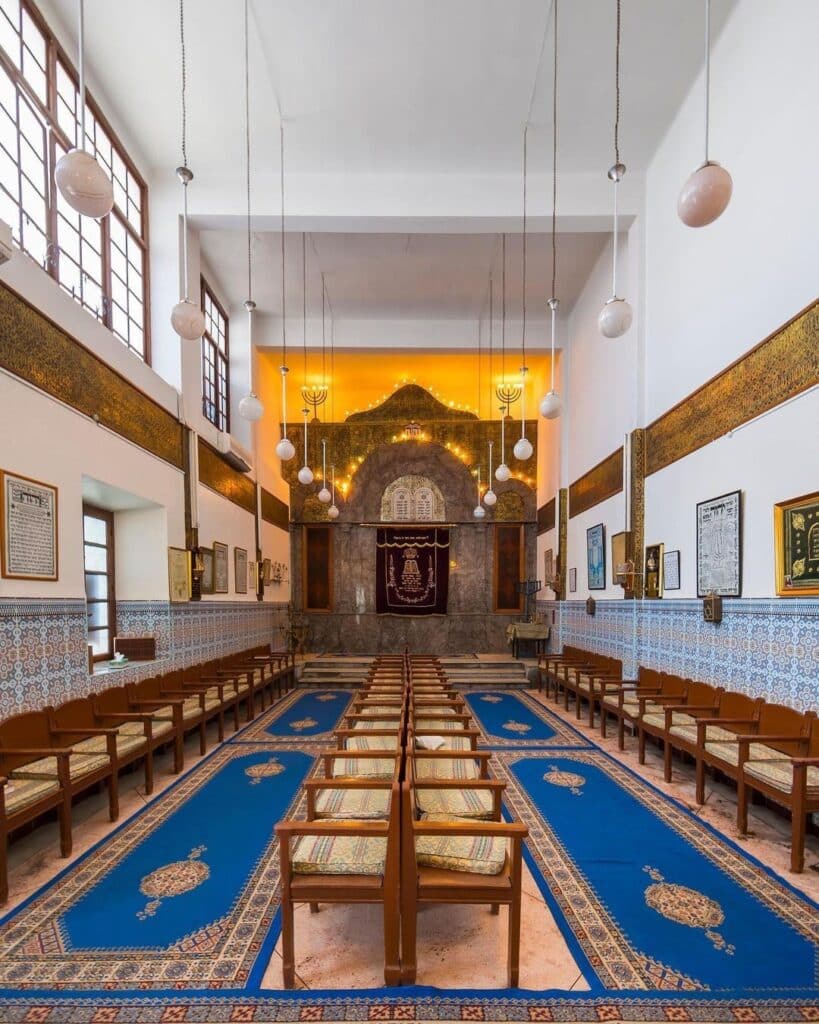
The Mellah, Fes’s historic Jewish quarter, adds an essential perspective to the city’s history.
Explore it with context rather than approaching it only as an architectural stop. A knowledgeable guide can explain the community’s place in the wider story of Fes.
If a synagogue or cemetery visit is important to you, confirm current opening arrangements in advance.
10. See the Royal Palace Gates
The Royal Palace gates are a popular exterior stop near the Mellah.
Plan to view the entrance from the public area. The palace interior is not open for ordinary tourist visits.
Follow guards’ instructions about where to stand and photograph. Royal Palace access information
11. Take a Break at Jnan Sbil Gardens
Jnan Sbil offers a change of pace from the enclosed medina streets.
Include a garden break when planning your route rather than treating every pause as lost sightseeing time.
Check opening arrangements locally, especially if you are making a special journey.
12. Enjoy a Panoramic View
The hills around Fes provide a useful perspective on the scale and density of the historic city.
Ask about a suitable viewpoint around the Marinid Tombs or Borj Nord, considering access, weather, and your walking comfort.
Arrange your return transportation before settling in for an extended stop.
The Moroccan National Tourist Office highlights the tanneries, Marinid Tombs, Nejjarine Museum, palace entrance, and Jnan Sbil among the city’s visitor attractions. Official Fes destination overview
13. Explore Pottery and Tilework
A pottery or tilework visit can help explain details you have already noticed in the city’s buildings.
Ask which parts of the process you will see and whether the experience is a working demonstration, a hands-on workshop, or primarily a showroom visit.
If purchasing, confirm the material, final price, packing, and shipping arrangements.
14. Add a Museum According to Your Interests
If you have more time, ask about current exhibitions and access at museums such as Dar Batha.
A focused museum visit can be more rewarding than adding another long market walk, especially during wet or hot weather.
Check current schedules directly rather than relying on old opening hours.
Cultural Experiences That Add Depth
Take a Cooking Class
A cooking class offers a practical introduction to ingredients and preparation.
Ask whether it includes a market visit, hands-on cooking, and a shared meal. Explain dietary requirements before booking.
Enjoy a Hammam
Choose between a neighborhood bathhouse and a private spa according to your comfort level.
Confirm what is included, what to bring, whether treatments are shared or private, and how much time to allow.
Learn Before You Shop
For textiles, leatherwork, ceramics, or metalwork, ask about materials and production before discussing price.
A useful purchase begins with understanding what you are buying.
If you would prefer a sightseeing walk with limited shopping, tell your guide at the beginning.
What to Eat in Fes
Fes is a rewarding destination for travelers interested in Moroccan food.
Consider trying:
Pastilla: a layered pastry often combining savory filling with sweet accents.
Tagines: slow-cooked dishes with varied ingredients and regional preparations.
Couscous: worth enjoying as a complete meal with time to appreciate its preparation.
Harira: a soup whose ingredients and seasoning vary between kitchens.
Cooked vegetable salads: a way to discover different textures and spice combinations.
Local breads and pastries: enjoyable additions to breakfast or an afternoon break.
Ask about ingredients rather than relying only on an English menu description. Pastilla may contain nuts, and dishes that appear vegetarian may use meat stock.
For a relaxed dinner, choose a restaurant near your accommodation or arrange the route back in advance.
Where to Stay in Fes
Stay in Fes el-Bali for Historic Atmosphere
A medina riad suits travelers who enjoy traditional architecture and being close to walking routes.
Before booking, ask about:
Distance from the nearest vehicle access point.
Luggage assistance.
Steps between the entrance and your room.
Heating and air conditioning.
Rooftop or restaurant noise.
Help returning after an evening meal.
A property’s exact location matters more than a general promise that it is “in the medina.”
Stay Near a Medina Entrance for Easier Logistics
Accommodation close to an accessible entrance may provide a useful balance between atmosphere and transportation.
Ask for the actual walking route from the drop-off point. A short distance on a map may still involve slopes, steps, or uneven paving.
Choose the Ville Nouvelle for Conventional Hotel Access
The modern city can suit travelers who prefer easier vehicle access and larger hotels.
Plan transportation to and from the historic districts as part of your daily schedule.
Suggested Two-Day Fes Itinerary
This is a suggested pace, not a fixed program. Adjust around opening arrangements, weather, and personal interests.
Day One: Introduction to the Medina
Begin near Bab Bou Jeloud and explore selected streets with a local guide.
Include Bou Inania if open, then continue toward Nejjarine and other stops suited to your interests. Take a proper lunch break.
Choose a tannery viewpoint or another craft visit in the afternoon. Avoid treating every stop as compulsory.
Explore our Fez City tour or Fez Shopping Tour
Day Two: Cultural Heritage and a Wider Perspective
Begin with the palace gates and Mellah, confirming access for any religious heritage visits.
Include Jnan Sbil if open, then choose a museum, workshop, or additional medina visit.
Finish with a suitable panoramic viewpoint if conditions allow.
For an excursion outside Fes, add another day so your city visit remains comfortable.
Day Trips and Longer Tours From Fes
Meknes, Volubilis, and Moulay Idriss
A route toward Meknes can combine imperial history with nearby archaeological and religious heritage.
Discuss priorities before departure. Visiting several destinations in one day means making choices about time at each stop.
For Volubilis, consider shade, walking conditions, and the weather when choosing your visiting time.
Chefchaouen
Chefchaouen introduces a different mountain setting and townscape.
Your travel day includes a substantial road journey, so compare the driving time with the time available to explore.
For organized transportation, review our Chefchaouen Day Trip from Fes.
An overnight stay may suit travelers who prefer a slower visit.
Middle Atlas Excursions
An excursion into the Atlas Mountains can add mountain scenery and a change from city sightseeing.
Ask about the exact route, driving time, walking requirements, and seasonal conditions.
Where wildlife is encountered, observe without feeding or approaching animals.
Sahara Desert Tours From Fes
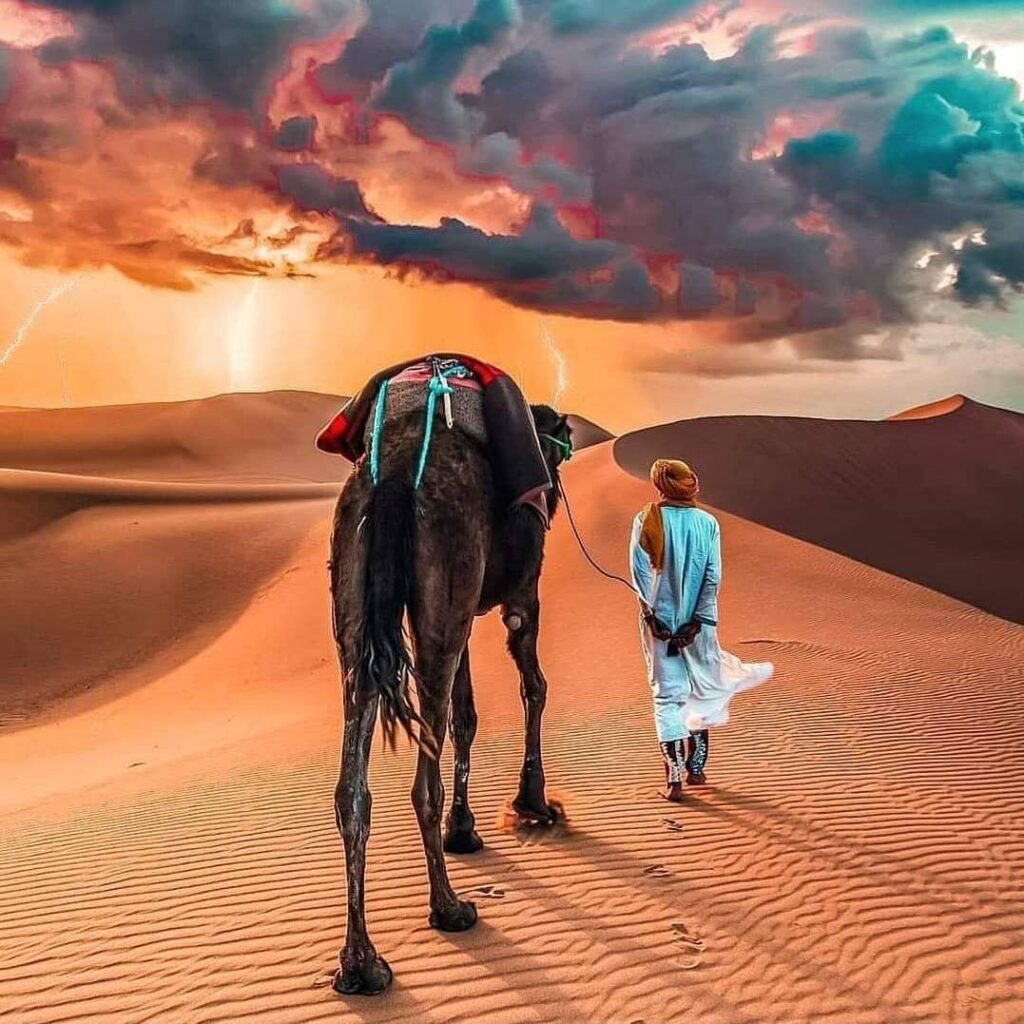
A multi-day desert journey can connect Fes with Merzouga and Erg Chebbi, then continue toward Marrakech.
Explore our 4-Day Fes to Marrakech Desert Tour and review its day-by-day program.
Confirm driving time, accommodation, meals, guides, and entrance fees before booking. A desert journey should fit the pace of your overall vacation.
Practical Fes Travel Tips
Discuss Walking Comfort Before the Tour
Medina routes can include slopes, uneven paving, stairs, and narrow passages.
Tell your guide about mobility needs, your preferred walking duration, and how often you would like breaks.
Keep Your Accommodation Details Available
Save your property’s name, telephone number, and nearest accessible entrance.
Ask your host for a practical meeting point rather than relying only on a map pin.
Agree on Guiding and Transportation
Confirm the duration, price, meeting point, and included services before starting.
A driver and a specialist city guide have different roles. Ask who will accompany each part of your itinerary.
Carry Some Local Currency
Keep Moroccan dirhams available for smaller purchases and places where card payment is unavailable.
If comparing prices in US dollars, use a current exchange rate and confirm which currency a quoted price uses.
Dress for Walking and the Setting
Comfortable shoes, breathable clothing, and an appropriate seasonal layer are useful.
Clothing covering shoulders and knees is a considerate choice in many traditional settings.
Respect Workplaces and Religious Spaces
Ask before photographing people and keep shop entrances, residential doorways, and religious access points clear.
A good visit leaves room for the people who use these streets every day.
Plan Your Fes Tour With Gboo Morocco Tours
Fes rewards attention and an unhurried approach.
Whether you want to explore architecture, understand craft traditions, discover regional food, or continue toward the Sahara, start with your interests and the time you have available.
Browse our Fes tours on this page and contact Gboo Morocco Tours to discuss a private itinerary that suits your plans.
Yes. Fes and Fez are alternative English spellings of the same Moroccan city
Two full days provide a useful introduction to the main historic districts and cultural sights. Add time for excursions or a slower pace.
April, May, and October are useful starting choices for walking-focused trips. Your preferred temperature and wider itinerary should guide the final decision.
The 1991–2020 climate averages show daytime highs of approximately 95°F (35°C) in July and August. Individual days can be hotter.
A guide is optional, but a guided introduction can help explain the city’s history and layout. Discuss interests, walking pace, and shopping preferences beforehand.
No. Non-Muslim visitors should plan an exterior visit around the surrounding streets and respect the mosque’s access rules.
The palace interior is not open for ordinary tourist visits. Visitors generally see the gates from the public area outside.
It can be, with appropriate accommodation and a carefully planned route. Discuss stairs, slopes, walking distances, and rest breaks before booking.
Yes. Multi-day itineraries can connect the cities through Merzouga and southern Morocco. Compare the driving involved with your preferred travel pace.


