

Dietary restrictions in Morocco are easier to manage than many travelers expect. Whether you are vegan, vegetarian, gluten-free, lactose intolerant, have a food allergy, or follow another special diet, you can enjoy a wonderful culinary experience while traveling through Morocco.
Moroccan cuisine is famous for its aromatic spices, fresh vegetables, legumes, grains, fruits, nuts, olive oil, and traditional cooking methods. Although meat is an important part of many Moroccan dishes, there are also plenty of naturally vegetarian and vegan foods.
With a little planning, travelers with dietary restrictions in Morocco can enjoy authentic tagines, couscous, Moroccan salads, soups, fresh fruit, traditional bread, and many other local specialties.
At Gboo Morocco Tours, we understand that food is an important part of your travel experience. Our private Morocco tours can accommodate different dietary preferences and requirements, allowing you to explore Morocco comfortably without worrying about finding suitable meals.
Is Morocco Suitable for Travelers with Dietary Restrictions?
Yes, Morocco can be a very good destination for travelers with dietary restrictions.
Moroccan cuisine uses many fresh, naturally plant-based ingredients, including vegetables, chickpeas, lentils, beans, olives, herbs, spices, nuts, and seasonal fruits.
However, it is important to communicate your dietary requirements clearly. A dish that appears vegetarian, for example, may sometimes contain meat broth or butter.
The easiest way to manage dietary restrictions in Morocco is to inform your tour company, hotel, desert camp, and restaurants before your trip.
This allows meals to be planned in advance rather than trying to explain your requirements at every meal.

Traditional Moroccan ingredients provide many options for travelers with dietary restrictions.
Dietary Restrictions in Morocco: What Can Vegans Eat?
Traveling to Morocco as a vegan is possible, and many traditional Moroccan foods can be prepared without animal products.
Some of the best vegan options include:
- Vegetable tagine
- Vegetable couscous
- Zaalouk
- Moroccan salads
- Lentil soup
- Chickpea dishes
- Fresh vegetables
- Fresh fruit
- Dates
- Olives
- Nuts
- Moroccan bread
- Mint tea
However, always check the ingredients. Some dishes may contain butter, milk, meat stock, or honey.
If you follow a strict vegan diet, tell your tour company and accommodation in advance so appropriate meals can be arranged.
The Best Vegan Foods in Morocco
For travelers with Dietary Restrictions in Morocco, vegan meals are widely available when dietary requirements are communicated clearly in advance.
Vegetable Tagine
Vegetable tagine is one of the easiest traditional Moroccan dishes to enjoy as a vegan.
It is slowly cooked with seasonal vegetables such as carrots, potatoes, zucchini, tomatoes, peas, and onions. Moroccan spices such as cumin, ginger, turmeric, saffron, and paprika give the dish its characteristic flavor.
Ask for vegetable tagine prepared with olive oil instead of butter if you follow a strict vegan diet.
Zaalouk
Zaalouk is a traditional Moroccan eggplant and tomato salad.
It is typically prepared with eggplant, tomatoes, garlic, olive oil, cumin, paprika, and herbs. Because it is naturally plant-based, zaalouk is an excellent choice for vegan travelers.
It is usually served with Moroccan bread as a starter or side dish.
Moroccan Salads

Moroccan meals often begin with several small salads.
Depending on the restaurant and region, you may find:
- Carrot salad
- Tomato and cucumber salad
- Beetroot salad
- Cooked peppers
- Eggplant salad
- Tomato salad
- Mixed seasonal vegetables
Many of these dishes are naturally vegan.
Vegetarian Food in Morocco
Vegetarians have many options when traveling in Morocco.
In addition to vegetable tagines and salads, vegetarian travelers can enjoy:
- Vegetarian couscous
- Vegetable soups
- Zaalouk
- Moroccan salads
- Lentils
- Chickpeas
- Vegetable pastilla in selected restaurants
- Fresh fruit
- Moroccan pastries
When ordering food, it is important to specify that you do not eat meat, chicken, or fish.
For travelers with dietary restrictions in Morocco, being specific about what you cannot eat is particularly important.
Is Moroccan Couscous Vegetarian?
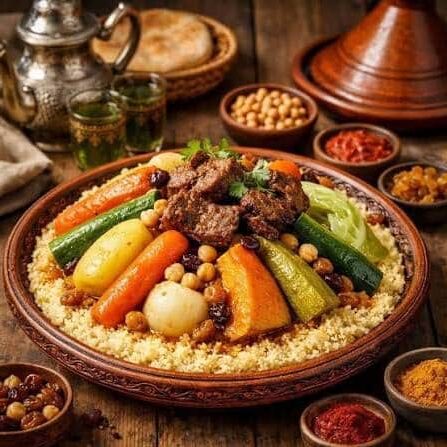
Yes, couscous can be vegetarian or vegan.
Traditional Moroccan couscous is often served with vegetables and meat, but restaurants can prepare vegetarian couscous using seasonal vegetables and chickpeas.
If you are vegan, ask whether the couscous contains butter or meat broth.
Couscous is traditionally associated with Friday family meals and is one of the best dishes to try during a cultural food experience in Morocco.
Gluten-Free Dietary Restrictions in Morocco
When managing Dietary Restrictions in Morocco, gluten-free travelers should always confirm ingredients and ask about cross-contamination before eating.
Couscous and traditional Moroccan bread are made from wheat and therefore contain gluten.
However, many other Moroccan foods can naturally be gluten-free, including:
- Tagines
- Grilled meat
- Grilled fish
- Rice
- Fresh vegetables
- Moroccan salads
- Fruits
- Olives
- Some soups
If you have celiac disease or a serious gluten allergy, always confirm the ingredients and the possibility of cross-contamination.
When booking a private tour, inform your travel company before arrival so suitable restaurants and accommodations can be selected.
Food Allergies and Dietary Restrictions in Morocco
Travelers with food allergies should take additional precautions.
Common allergens that may need to be discussed include:
- Nuts
- Almonds
- Dairy
- Eggs
- Gluten
- Sesame
- Fish
- Shellfish
Moroccan cuisine uses nuts and almonds in many desserts, pastries, and some savory dishes.
If you have a serious allergy, clearly explain what you cannot eat before ordering.
For significant allergies, it is also useful to carry a written allergy card translated into French or Arabic.
What About Lactose-Free Food in Morocco?
Travelers who are lactose intolerant can find suitable foods in Morocco, especially traditional dishes based on vegetables, meat, fish, legumes, and olive oil.
However, dairy products can appear in some desserts, sauces, breakfasts, and modern restaurant dishes.
Tell your accommodation and restaurants that you cannot consume milk or dairy products.
A private tour makes this easier because dietary requirements can be communicated to the relevant partners before your arrival.
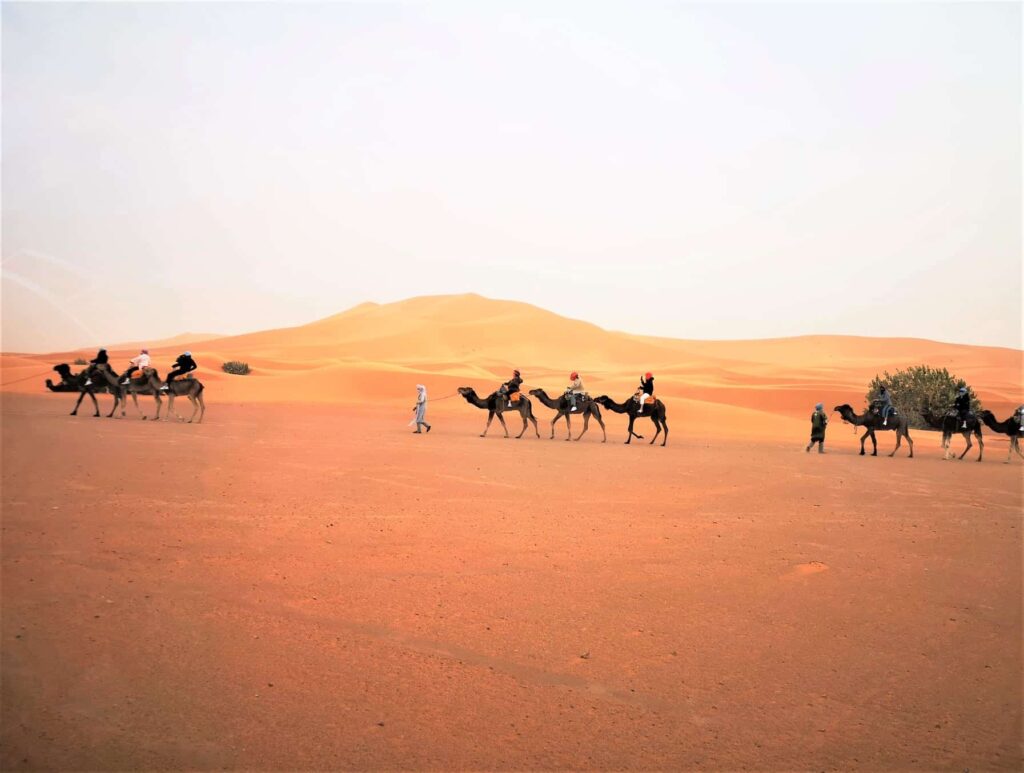
Dietary Restrictions During a Sahara Desert Tour
One of the most common concerns among travelers is whether dietary restrictions in Morocco can be accommodated during a Sahara Desert tour.
The answer is yes, provided that your requirements are communicated in advance.
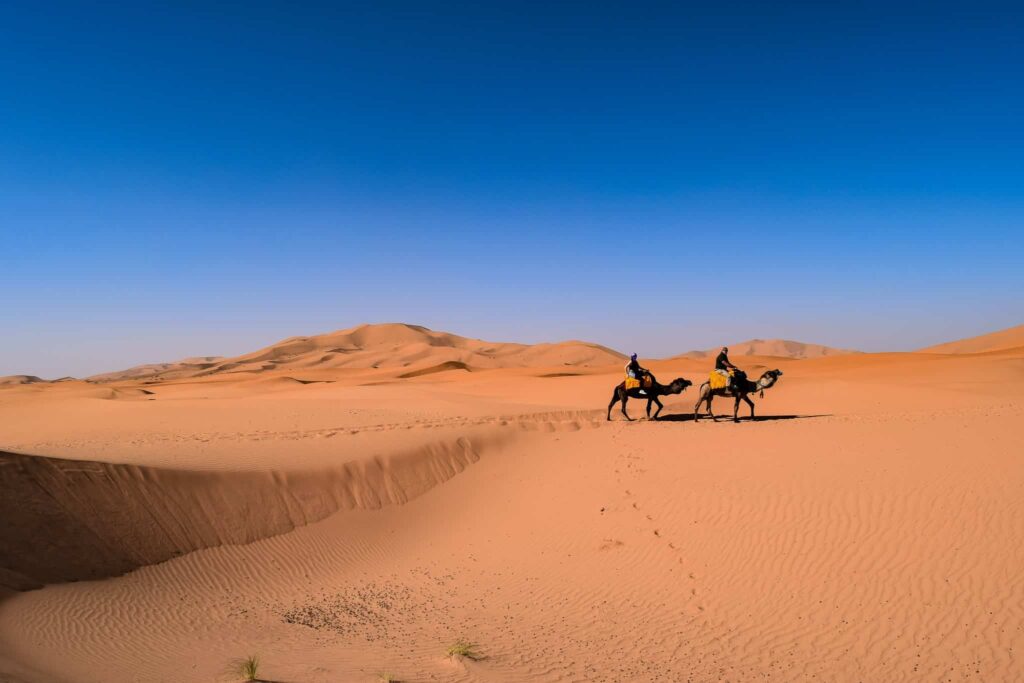
Desert camps can usually arrange meals such as:
- Vegetarian tagine
- Vegan vegetable tagine
- Vegetable couscous
- Moroccan salads
- Lentil soup
- Fresh fruit
- Rice and vegetables
- Other specially prepared meals
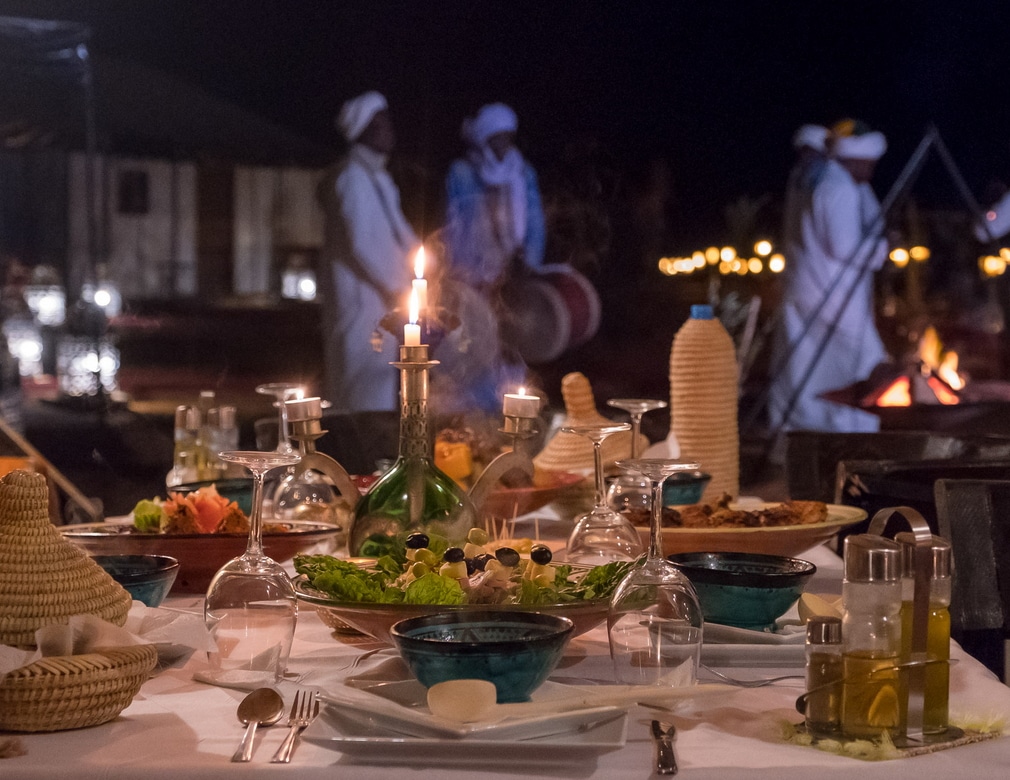
A private Sahara experience also gives you greater flexibility when planning meals and activities.
Traveling to Morocco with Dietary Restrictions: Why a Private Tour Helps
Traveling independently with a dietary restriction is possible, but a private tour can make the experience considerably easier.
With a private Morocco tour, your dietary requirements can be communicated in advance to:
- Hotels
- Riads
- Desert camps
- Restaurants
- Cooking experiences
- Local guides
- Tour staff
This means you do not have to explain your dietary needs repeatedly throughout your trip.
At Gboo Morocco Tours, we can discuss your dietary requirements before your arrival and incorporate them into your itinerary.
Whether you are traveling as a vegan couple, a vegetarian family, or a group with different dietary requirements, we can help organize meals that suit your needs.
How Gboo Morocco Tours Handles Dietary Restrictions
At Gboo Morocco Tours, we specialize in private, tailor-made Morocco tours.
We understand that every traveler is different, which is why we do not believe in a one-size-fits-all itinerary.
When you book with us, tell us about your dietary requirements during the planning stage.
We can then communicate your requirements to the relevant hotels, riads, restaurants, and desert camps along your route. This is particularly helpful for travelers with strict dietary restrictions, food allergies, or specific vegan and vegetarian requirements.
We can help arrange:
- Vegan meals
- Vegetarian meals
- Gluten-free options
- Dairy-free meals
- Allergy-conscious meals
- Special meals in desert camps
- Suitable restaurants along your route
- Food experiences adapted to your preferences
Our goal is simple: you should be able to discover Moroccan cuisine without worrying about whether there will be something you can eat.
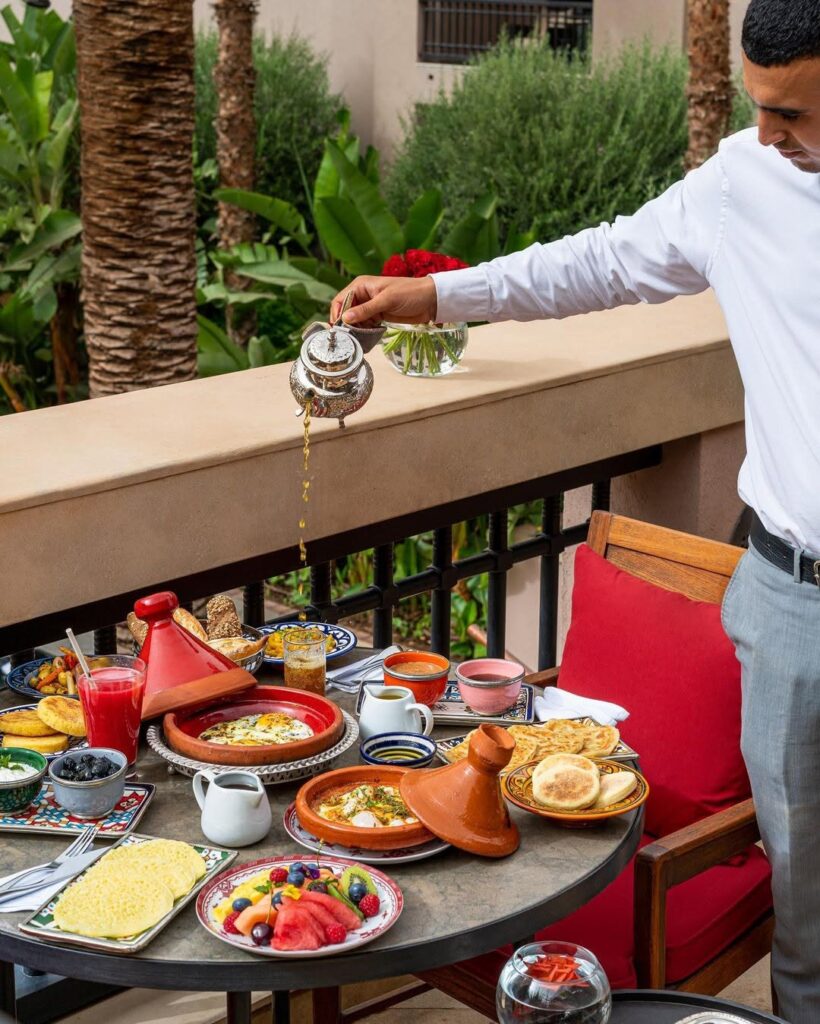
Tips for Managing Dietary Restrictions in Morocco
Planning ahead is one of the best ways to manage Dietary Restrictions in Morocco and enjoy a stress-free culinary experience.
1. Tell Your Tour Company Before You Travel
The most important step is to communicate your dietary requirements before your Morocco trip begins.
The more information you provide, the easier it is to organize appropriate meals.
2. Be Specific About Your Diet
Instead of simply saying “I have a special diet,” explain exactly what you cannot eat.
For example:
- I do not eat meat.
- I do not eat meat, fish, or dairy.
- I cannot eat gluten.
- I have a severe nut allergy.
- I cannot eat foods containing milk.
3. Ask About Ingredients
Do not assume that a vegetarian or vegan-looking dish is completely plant-based.
Ask about butter, milk, meat broth, honey, and other ingredients.
4. Carry Emergency Snacks
If you have a very restrictive diet, carrying a few familiar snacks is a good idea, particularly during long driving days or remote excursions.
5. Choose Experienced Tour Operators
An experienced local tour operator can communicate your dietary requirements to restaurants and accommodations before you arrive.
This is particularly valuable during desert tours and journeys through remote areas.
Can You Enjoy Moroccan Cuisine with Dietary Restrictions?
Absolutely.
Having dietary restrictions in Morocco does not mean missing out on the country’s incredible food culture.
In fact, many traditional Moroccan dishes are based on fresh vegetables, legumes, grains, herbs, spices, olives, and olive oil.
From a vegetable tagine in Marrakech to vegetarian couscous in the Atlas Mountains or a specially prepared meal beneath the stars in the Sahara Desert, there are many ways to experience Moroccan cuisine while respecting your dietary needs.
Book a Private Morocco Tour Designed Around You
Your dietary requirements should not prevent you from experiencing Morocco to the fullest.
At Gboo Morocco Tours, our private and tailor-made tours can be adapted to your interests, travel style, accommodation preferences, activities, and dietary needs.
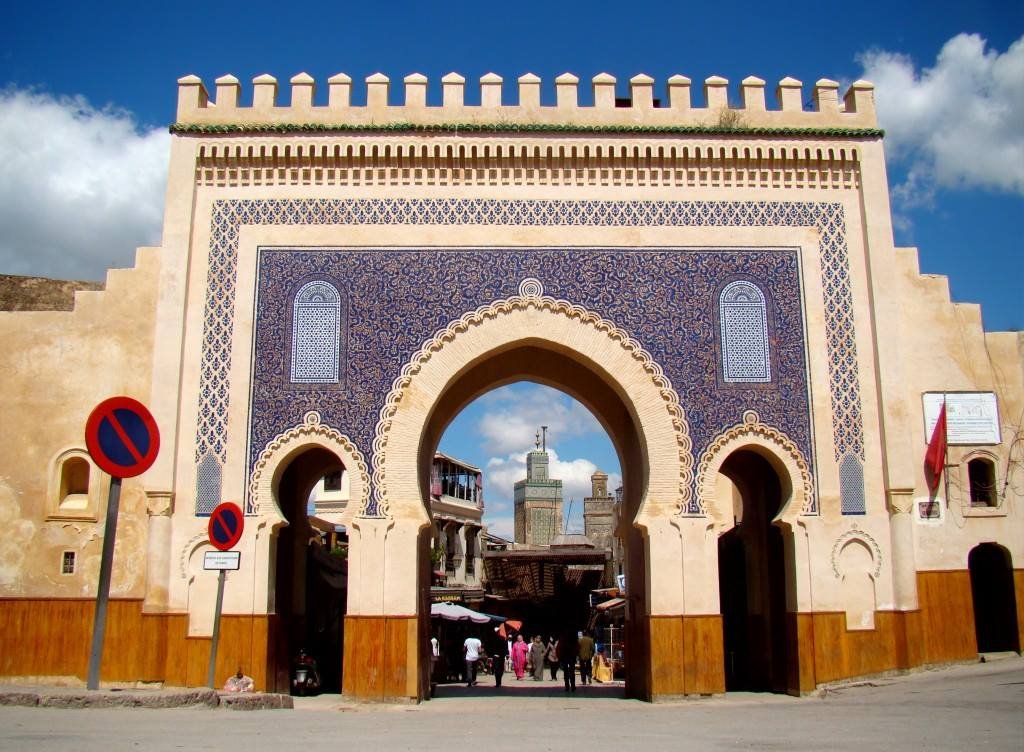
Explore the colorful medinas of Marrakech and Fes, discover the Atlas Mountains, visit traditional villages, experience the Sahara Desert, and enjoy authentic Moroccan food—with meals planned around your requirements.
Tell us about your dietary needs when requesting your tour, and we will help create a comfortable and memorable Morocco itinerary for you.