
15 Day Morocco Tour from Casablanca: Discovering the Kingdom’s Secrets
Experience the remarkable diversity of Morocco on this 15 days…
View the Tour

Essaouira is a historic port city on Morocco’s Atlantic coast, known for its UNESCO-listed medina, oceanfront ramparts, fishing harbor, artistic traditions, and broad sandy beach. Its coastal setting makes it a rewarding destination for cultural sightseeing, seafood, leisurely walks, and water sports.
Our Essaouira tours connect this distinctive coastal city with Marrakech and wider journeys through Morocco. Browse the itineraries on this page, then use this guide to choose your travel dates, explore the main attractions, and decide whether to visit for a day or stay longer.


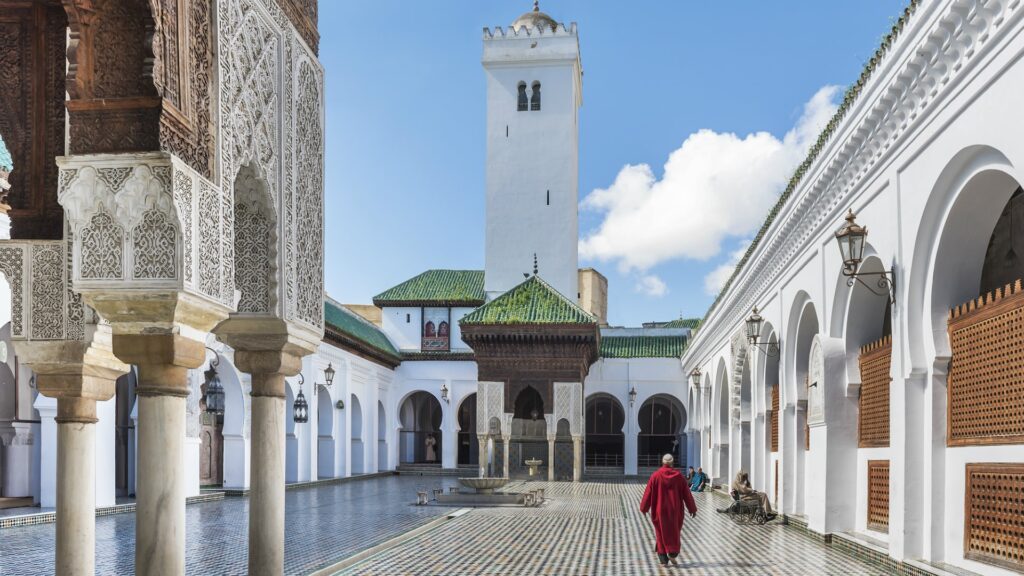
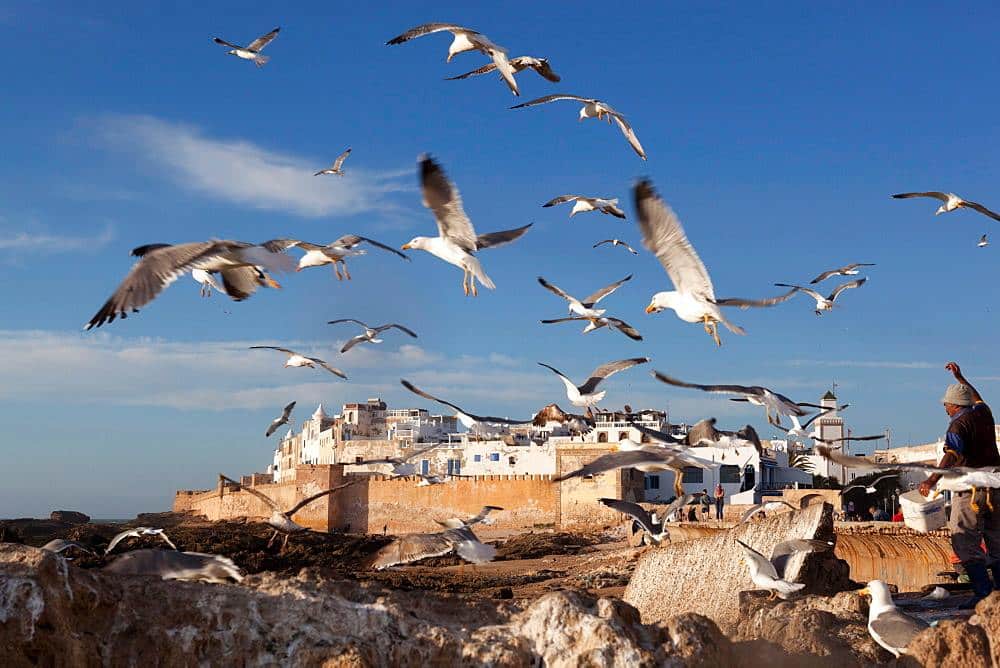
Essaouira invites you to slow down.
You can spend a morning between the medina and harbor, pause for a seafood lunch, browse workshops, and finish with an oceanfront walk. You do not need to fill every hour to enjoy the city.
The Atlantic shapes the experience. Wind, sea spray, light, and changing conditions give Essaouira its character, but they also affect how you should pack and plan.
Bring a light outer layer even when arriving from warm inland weather. A sunny photograph does not tell you how the breeze will feel on a terrace.
For a first visit, a full-day excursion provides a useful introduction. Two nights allow more time for the city’s museums, creative life, beach, and surrounding countryside.
| Planning question | What to know |
|---|---|
| Where is Essaouira? | On Morocco’s Atlantic coast, west of Marrakech |
| What was it formerly called? | Mogador |
| Why visit? | Historic streets, fortifications, seafood, crafts, music, and coastal scenery |
| How long should you stay? | One day for an introduction; two nights for a more relaxed visit |
| Can you visit from Marrakech? | Yes, as a full-day road excursion |
| Is it a beach destination? | Yes, with wind and ocean conditions that should shape your plans |
| Is it suitable for walking? | Much of the center can be explored on foot, with uneven surfaces and steps at some sights |
| What should you pack? | Comfortable shoes, sun protection, and a layer that blocks the wind |
Essaouira brings together maritime history, Moroccan craftsmanship, food, and an active cultural scene.
Its historic medina developed as a fortified trading port. UNESCO recognizes the city’s architecture and its role in connecting Morocco and the Saharan interior with Europe and other trading partners. UNESCO’s Medina of Essaouira listing
The city also provides a useful contrast within a Morocco itinerary. After time in Marrakech, the coast offers different landscapes, light, and daily rhythms.
Choose Essaouira for its combination of culture and coastline. A beach walk, museum visit, workshop conversation, and good lunch can make a satisfying day without a demanding schedule.
For a first visit focused on sightseeing and coastal walks, May, June, September, and October are useful starting choices.
Your preferred activities matter more than a single “best” month. A traveler interested in wind sports may welcome conditions that another visitor finds uncomfortable for sitting on the beach.
Spring can work well for medina walks, museums, and excursions into the surrounding countryside.
Pack layers and allow flexibility for changing coastal conditions. Choose a sheltered terrace when the breeze makes an exposed table less comfortable.
Summer can be an appealing coastal addition to an inland Morocco itinerary.
Do not assume that a beach day will feel like a hot inland afternoon. Wind can affect comfort, and ocean conditions should guide water activities.
Book accommodation early if your dates overlap with major events or busy vacation periods.
Early fall is worth considering for a balanced cultural and coastal stay.
Keep a light jacket available for evenings and exposed walks. Later in the season, allow room in your itinerary for wetter days.
Winter can suit travelers who prioritize the medina, food, art, and museums over beach time.
Ask about heating and room comfort before booking. A sea-facing room may offer a memorable view, but its exposure and insulation also matter.
The table below shows monthly mean temperatures and precipitation published by the Japan Meteorological Agency’s ClimatView service for Essaouira.
Mean temperature is the monthly average across day and night. It is not an average afternoon high.
| Month | Monthly mean temperature | Average monthly rainfall |
|---|---|---|
| January | 59°F / 14.9°C | 1.7 in / 44.1 mm |
| February | 60°F / 15.6°C | 1.3 in / 34.2 mm |
| March | 62°F / 16.5°C | 1.5 in / 38.1 mm |
| April | 62°F / 16.6°C | 0.8 in / 19.1 mm |
| May | 64°F / 17.7°C | 0.3 in / 7.2 mm |
| June | 67°F / 19.2°C | Less than 0.1 in / 0.7 mm |
| July | 67°F / 19.6°C | Less than 0.1 in / 0.1 mm |
| August | 68°F / 20.1°C | Less than 0.1 in / 0.1 mm |
| September | 68°F / 20.0°C | 0.1 in / 3.0 mm |
| October | 67°F / 19.4°C | 1.0 in / 25.9 mm |
| November | 64°F / 17.8°C | 1.4 in / 35.7 mm |
| December | 61°F / 16.2°C | 3.0 in / 76.8 mm |
Fahrenheit and inch values are rounded conversions. These are climate averages, not a forecast for your visit. Source: Japan Meteorological Agency, Essaouira climate normals
Check the forecast before departure, including wind conditions if you plan beach activities.
The medina is the natural starting point for a first visit.
Walk through its commercial streets, quieter lanes, and small squares. Notice how the city’s buildings, workshops, and gateways connect with its maritime setting.
A guided introduction can explain the trading history and communities that shaped the city. Leave time afterward to revisit places that interest you.
If you prefer a sightseeing walk with limited shopping, explain that before starting.
The Skala de la Ville is one of Essaouira’s defining coastal sights, with fortifications overlooking the Atlantic.
Visit for the relationship between the stone walls, ocean, and surrounding streets as much as for the photograph.
Wind and sea spray can affect comfort. Stay within permitted areas and follow local instructions during rough conditions.
Check current access arrangements rather than assuming every section is open.
Essaouira’s harbor is a working place, with boats, equipment, fish handling, and daily activity.
Give workers room to move, watch your footing, and ask permission before taking close photographs.
The blue boats are a familiar image of the city, but the harbor is more interesting when you take time to understand its role in local life.
The harbor fortifications provide another perspective on Essaouira’s coastal setting.
The Skala du Port and Skala de la Ville are different locations. Ask which sections are accessible during your visit and whether separate admission applies.
Do not assume access to a particular tower or viewpoint based on an older photograph.
Place Moulay Hassan connects naturally with walks between the medina and port.
Use it as a place to pause, meet your companions, or enjoy a café stop. Check the menu and choose your table according to shade, wind, and comfort.
The Moroccan National Tourist Office highlights the city’s ramparts, harbor, medina, and music as important parts of the Essaouira experience. Official Essaouira destination overview
This museum is worth considering if you want more context about Essaouira’s regional heritage and craft traditions.
A museum visit can add depth to objects and decorative details you have seen in the streets.
Check current opening hours and exhibitions before making a special journey.
Bayt Dakira, the House of Memory, introduces visitors to Essaouira’s Jewish heritage and the city’s history of Muslim-Jewish coexistence.
Approach it as an opportunity to learn about people and community life.
Confirm current visiting arrangements, especially if it is a priority for your itinerary.
Both Bayt Dakira and the Sidi Mohammed Ben Abdallah Museum are identified in the Moroccan National Tourist Office’s cultural visitor material. Official cultural experiences guide
Essaouira’s artistic life is a reason to spend time beyond a quick day-trip route.
Look for galleries and workshops that match your interests. Ask about the artist, materials, and origin of a piece before purchasing.
For woodwork, compare craftsmanship and ask how the object was made. If shipping is required, confirm the total cost and delivery arrangements in writing.
The broad beach offers room for a walk and a different view of the city.
Choose your distance according to the wind, tide, and your energy. Walking on soft sand can be more tiring than a paved route.
A beach walk does not need to include swimming. Many visitors enjoy the setting most from the shoreline or promenade.
Essaouira’s wind and waves support several water sports, but the right activity depends on your experience and the day’s conditions.
Choose a qualified instructor, explain your ability honestly, and ask about equipment, lesson locations, and arrangements if conditions are unsuitable.
Surfing, windsurfing, and kitesurfing require different conditions and skills. Let the instructor recommend an appropriate session.
The Moroccan National Tourist Office identifies these sports among Essaouira’s main activities. Official sports overview
Music is an important part of Essaouira’s cultural identity.
If a performance interests you, ask about the musicians, setting, ticket arrangements, and expected duration. A small performance and a major festival offer very different experiences.
For the annual Gnaoua and World Music Festival, confirm dates and ticket information through the official festival website. Plan accommodation and transportation early if attending.
Choose an accessible place to appreciate the changing light along the coast.
An exposed viewpoint may be less comfortable than a sheltered terrace when the wind is strong. Ask locally about suitable places and current access.
Leave time to enjoy the setting rather than rushing between several sunset locations.
Sidi Kaouki offers another coastal setting south of Essaouira and is associated with beach walks and surf activities.
Treat it as a separate outing, with transportation and return arrangements planned in advance.
Ask a local instructor about water conditions rather than assuming a quieter-looking beach is suitable for swimming.
Cap Sim adds dunes and coastal scenery to a longer stay.
Choose an outing according to conditions and your walking comfort. Confirm the route, transport, and any guiding arrangements before departure.
The Moroccan National Tourist Office identifies Sidi Kaouki and Cap Sim among the surrounding coastal attractions. Official beach and coastal guide
An argan oil visit can be informative when it explains production, ingredients, and local livelihoods.
Ask whether the stop is primarily a demonstration, shop, or working cooperative. You should be comfortable learning without being obliged to purchase.
If buying oil, distinguish products intended for cooking from cosmetic products and check the labeling.
Seafood is a natural part of a coastal visit, but choose your meal with the same care you would elsewhere.
Before ordering fish or shellfish, confirm:
You can also look for tagines, couscous, cooked vegetable dishes, soups, and Moroccan breakfasts.
Vegetarian travelers should ask about broth, sauces, and shared preparation. Explain allergies before ordering so the kitchen can discuss what it can accommodate.
A memorable lunch does not need an elaborate setting. Clear pricing, careful preparation, and time to enjoy the meal matter more.
A medina riad suits travelers who enjoy historic surroundings and exploring on foot.
Before booking, ask about vehicle access, luggage assistance, stairs, room heating, and noise.
If breakfast is served on a rooftop, check whether an alternative is available when the weather is uncomfortable.
Beachfront accommodation may suit visitors who want easier access to the promenade and more conventional hotel facilities.
Check the actual distance to the medina and whether your room faces a busy road or an exposed seafront.
An ocean view can be appealing, but room insulation and comfort also deserve attention.
A property outside town can suit travelers who prioritize space, gardens, or a quieter stay.
Plan transportation for meals and sightseeing. A secluded location becomes less convenient if you want to walk into the medina several times a day.
| Option | Best suited to |
|---|---|
| Day trip from Marrakech | Travelers with limited time who want a coastal introduction |
| One night | Visitors who want an evening and morning without a same-day return |
| Two nights | Travelers combining the medina, museums, food, and beach walks |
| Three nights or longer | Visitors adding lessons, excursions, or more downtime |
Choose according to your overall Morocco schedule rather than assuming every destination needs the same number of nights.
Begin with an introduction to the medina and its trading history.
Continue toward the harbor, allowing time to observe without obstructing work. Enjoy lunch, then visit accessible rampart sections according to opening arrangements.
Keep the later afternoon for a café stop, galleries, or a short beach walk.
Choose a museum and time for crafts if cultural sightseeing is your priority.
Alternatively, arrange a suitable water-sports lesson or a separate excursion to Sidi Kaouki.
Avoid filling the same day with museums, a long beach outing, and several countryside stops. Leave room for the experience you most want.
A day trip works best when you understand the travel involved.
Our published itinerary allows approximately three hours of driving each way, with time in Essaouira before returning to Marrakech. Actual timing depends on traffic, stops, and conditions.
Explore our Day Trip to Essaouira from Marrakech.
Before booking, confirm the day’s schedule, optional stops, free time, and whether a local walking guide is included. The published package includes private transportation and an English-speaking driver; meals and monument admission are listed separately.
If you prefer a slower pace, ask about staying overnight instead.
Marrakech and Essaouira offer contrasting experiences within a manageable route.
Consider placing the coast after several active sightseeing days if you would appreciate a more relaxed finish.
Travelers with additional time can discuss a route connecting Essaouira with Agadir.
Choose intermediate stops according to your interests and driving preferences rather than trying to include every beach.
If your journey also includes the Atlas Mountains or Merzouga, review the complete route before adding nights.
The coast and Sahara are separate travel stages. Your itinerary should account for the journeys between them.
A light wind-resistant jacket is useful on ramparts, beaches, and exposed terraces.
Secure hats and protect electronics from blowing sand and spray.
Choose footwear suitable for uneven paving, harbor surfaces, and occasional steps.
Beach sandals alone may not be the most comfortable choice for a full sightseeing day.
Follow local flags and guidance. Check conditions before swimming or booking an activity.
The presence of surfers does not mean the same location is appropriate for casual swimming.
Ask about stairs, drop-off points, luggage handling, and room facilities.
Tell your organizer about mobility needs before choosing a property.
Smaller purchases and some local services may require cash.
Confirm prices in dirhams and use a current exchange rate if comparing costs in US dollars.
Ask before taking close photographs of fishers, craftspeople, or residents.
Keep equipment, entrances, and work routes clear.
Essaouira is most rewarding when your schedule leaves time for its culture, coastline, and everyday life.
Tell us whether you prefer a day trip, an overnight stay, museums, seafood, crafts, or a coastal activity. We can discuss how Essaouira fits into your wider Morocco journey.
Browse the Essaouira tours on this page or contact Gboo Morocco Tours to plan a private itinerary around your interests and pace.
A full day provides an introduction to the medina, harbor, and coastal setting. Two nights allow a more relaxed stay with museums, food, and beach time.
Yes, if you are comfortable with a full road excursion. Compare approximately six hours of return driving with the time you will have in the city.
May, June, September, and October are useful starting choices for sightseeing. Choose dates according to your activities and tolerance for wind.
Wind is an important feature of the destination, but conditions vary. Check the forecast and carry a suitable layer.
Swimming suitability depends on the location and current ocean conditions. Follow local guidance and do not assume every beach area is appropriate.
It can be, with suitable accommodation and a realistic walking route. Discuss stairs, uneven paving, vehicle access, and rest breaks before booking.
A guide is optional, but can add context about the port, fortifications, crafts, and community history.
Mogador is the city’s former name and remains associated with its history.
The published Gboo Morocco Tours itinerary lists food and drinks as excluded. Confirm the current inclusions when requesting your quotation.


