
If you’re planning a trip to Morocco, one of the most practical questions is: “Can I use credit card in Morocco?” The answer is yes—but with some important details. Credit cards are widely accepted in major cities and tourist areas, yet cash remains essential for local markets, taxis, and rural destinations.
This guide will walk you through everything you need to know about using credit cards in Morocco, including where they are accepted, ATM tips, transaction fees, contactless payments, and safety best practices. By the end, you’ll know exactly how to balance card and cash payments during your Moroccan adventure.

Credit Card Acceptance in Morocco
Most major credit cards, especially Visa and Mastercard, are accepted across Morocco. American Express is less common but still possible in higher-end establishments.
Here’s where you can usually pay with a card:
- Hotels & Riads – Most mid-range and luxury accommodations accept cards.
- Restaurants – Upscale and tourist-oriented restaurants often allow card payments.
- Shops & Malls – Modern stores, boutiques, and supermarkets in cities like Marrakech, Casablanca, and Fes take cards.
- Tourist Attractions – Many museums and guided tour companies accept card payments.
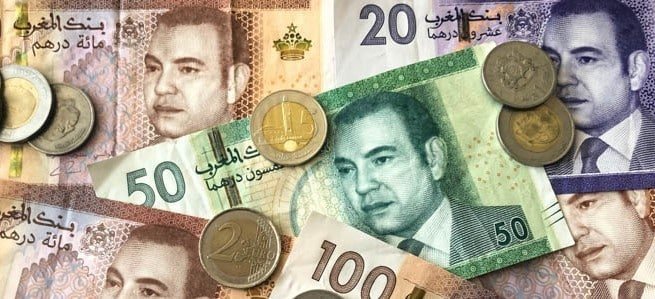
However, you’ll still need cash in Moroccan Dirhams (MAD) for:
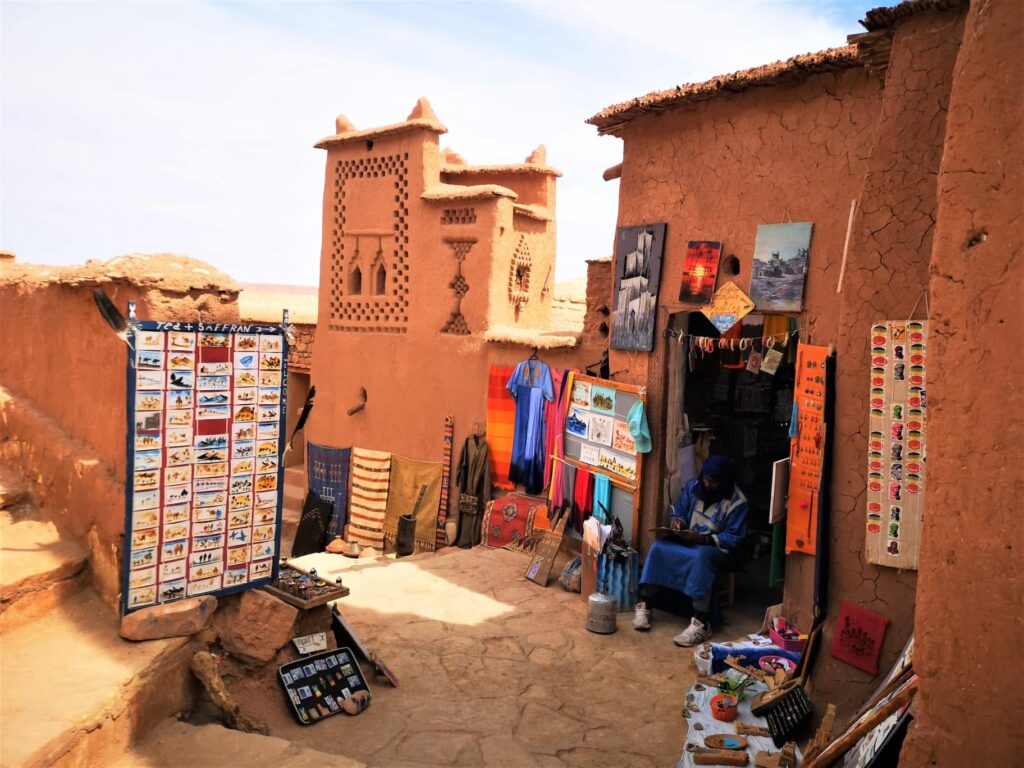
- Souks and local markets
- Small cafés and street food stalls
- Taxis, tips, and local transport
- Rural areas and remote villages
Travel tip: Carry at least 500–1,000 MAD in cash for small expenses, while using your credit card for larger purchases and bookings.
What is the best card to take to Morocco?
The best cards to take to Morocco are Visa and Mastercard, as they are accepted by the vast majority of hotels, restaurants, shops, ATMs, and tour operators throughout the country.
For the best travel experience, we recommend carrying:
- A Visa card – The most widely accepted card in Morocco.
- A Mastercard – An excellent backup that’s also accepted almost everywhere.
- A travel debit card – Great for withdrawing Moroccan Dirhams (MAD) from ATMs with competitive exchange rates.
- Some cash (MAD) – Essential for taxis, souks, small cafés, street food, tips, and purchases in rural areas.
Some of the best travel cards for visiting Morocco include:
- Wise Card (Visa or Mastercard) – Offers competitive exchange rates, low conversion fees, and easy spending in multiple currencies.
- Revolut Card (Visa or Mastercard) – Popular with travelers thanks to competitive exchange rates, budgeting tools, and low international fees.
- Charles Schwab Debit Card (USA) – Reimburses ATM fees worldwide, making it a favorite among U.S. travelers.
- Capital One Venture X or Capital One Venture Rewards (USA) – No foreign transaction fees and excellent travel rewards.
- Chase Sapphire Preferred® or Chase Sapphire Reserve® (USA) – Great for travel insurance, rewards, and no foreign transaction fees.
- N26 Mastercard (Europe) – A popular digital banking card with low international payment fees.
While American Express, Discover, and JCB are accepted at some hotels, luxury establishments, and businesses like Gboo Morocco Tours, they are not as widely accepted as Visa and Mastercard.
Travel Tip: Choose a card with no foreign transaction fees, notify your bank before traveling, and carry at least two different cards (for example, a Wise Visa and a Revolut Mastercard) along with some Moroccan Dirhams. This combination provides the greatest flexibility, better exchange rates, and peace of mind throughout your trip to Morocco.
ATMs and Cash Withdrawals in Morocco
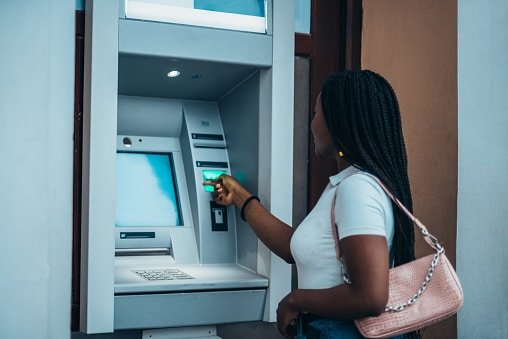
ATMs are widely available in cities and towns, making it easy to withdraw Moroccan Dirhams directly with your debit or credit card.
What you should know about Moroccan ATMs:
- Languages: ATMs typically have instructions in English, French, and Arabic.
- Fees: Your bank may charge foreign transaction and withdrawal fees. Moroccan banks may also add their own fee.
- Limits: Daily withdrawal limits vary by bank, often around 2,000–3,000 MAD.
- Security: Always use ATMs in well-lit, secure locations—preferably inside bank branches.
Tip: Before traveling, ask your bank about international usage fees and activate your card for overseas transactions.
Cash vs Use Credit Card in Morocco
Both cash and card are useful in Morocco, and knowing when to use each can save you time and money.
When to use credit card in Morocco:
- Hotel bookings and tours
- Restaurant bills in larger cities
- Shopping in malls or big stores
- Online reservations with reputable agencies
When to use cash in Morocco:
- Buying souvenirs in souks
- Street food or small cafés
- Tipping guides, drivers, and hotel staff
- Public transport and local taxis
A balanced approach is best: keep your credit card for convenience and security, but always carry some cash for everyday needs.
Currency Exchange Considerations
While credit cards usually provide competitive exchange rates, there are times when you’ll need to exchange cash.
- Where to exchange: Airports, banks, and exchange bureaus.
- Best practice: Compare rates before exchanging. Banks often provide safer and fairer rates than tourist kiosks.
- Avoid over-exchanging: Exchange small amounts to avoid being stuck with unused Dirhams.
Pro tip: Using your card at ATMs often gives better rates than exchange offices, but check the fees first.

Contactless Payments and Mobile Wallets
Contactless and mobile payments are becoming increasingly popular in Morocco, especially in urban centers.
- Contactless credit cards: Many hotels, restaurants, and shops now accept tap-to-pay.
- Mobile wallets: Apple Pay and Google Wallet are available at select locations, mainly in big cities.
- Limitations: Smaller vendors and rural businesses typically do not accept digital payments.
If your card supports contactless transactions, activate it before your trip for added convenience.
Which Credit Cards Work Best in Morocco?
- Visa & Mastercard: Most widely accepted across Morocco.
- American Express: Limited acceptance—best used in luxury hotels or larger stores.
- Discover & others: Rarely accepted.
Tip: Carry at least two different cards (e.g., one Visa and one Mastercard) to avoid issues.
Safety and Best Practices for Use Credit Card in Morocco
To ensure a smooth and secure experience when paying with your credit card in Morocco, follow these guidelines:
- Notify your bank before traveling to avoid fraud alerts.
- Check fees – Know your bank’s international transaction fees.
- Keep your card in sight during payments to avoid skimming.
- Use bank ATMs instead of standalone machines.
- Save receipts for larger transactions in case of disputes.
Bonus tip: Consider carrying a backup debit card in case your main card gets declined.
Benefits of Using Credit Card in Morocco
Using your credit card while traveling in Morocco offers several advantages:
- Convenience: No need to carry large sums of cash.
- Security: Fraud protection and chargeback rights add peace of mind.
- Rewards: Earn miles, cashback, or points on travel spending.
- Competitive exchange rates: Often better than exchanging foreign currency for cash.
Conclusion
Yes, you can absolutely use credit card in Morocco—especially in cities, hotels, restaurants, and for booking tours. But since cash is still king in local markets, taxis, and rural areas, carrying a mix of both is the smartest strategy.
By understanding where cards are accepted, knowing ATM options, and following best practices, you’ll enjoy a smooth payment experience throughout your trip.
At Gboo Morocco Tours, we make travel planning even easier by accepting online and credit card payments, including Visa, Mastercard, and American Express. This means you can book your Morocco tours securely in advance and focus on the journey ahead.
Plan your Morocco trip with confidence—book your experience today and explore Morocco with ease!