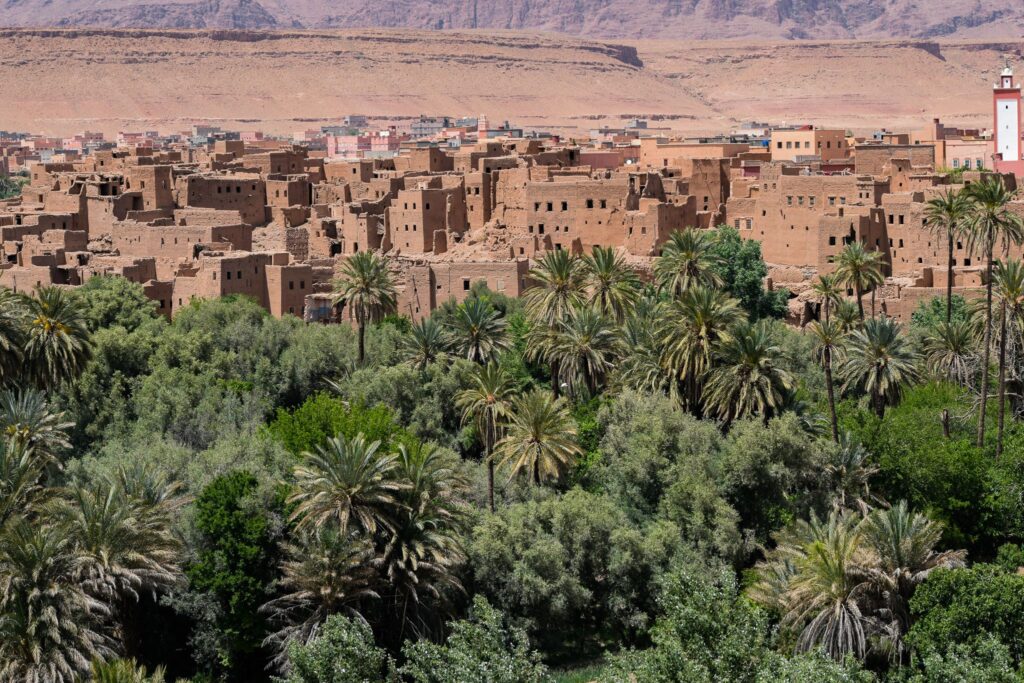


Morocco is a rewarding destination for travelers over 60 and 70 who enjoy history, architecture, local culture, scenic landscapes, and authentic experiences. Our Morocco Travel Tips for Seniors blog will help you planning a comfortable trip with careful consideration of walking distances, accommodation accessibility, travel times, and weather.

Is Morocco suitable for senior travelers? Yes. Many older adults can enjoy Morocco comfortably with a well-planned itinerary, appropriate accommodation, private transportation, and a sightseeing schedule adapted to their abilities. However, historic medinas, uneven streets, stairs, and long distances between destinations can present challenges for travelers with limited mobility.
This guide explains how to plan Morocco travel for seniors, including the best destinations, suitable hotels, transportation options, health precautions, and practical advice for exploring the country at a relaxed pace.
Quick Facts: Morocco Travel for Seniors
| Travel consideration | Practical recommendation |
|---|---|
| Best travel seasons | Spring and autumn |
| Suggested trip duration | 10–14 days for a multi-city journey |
| Comfortable daily driving target | Around 2–4 hours when practical |
| Recommended transportation | Private air-conditioned vehicle |
| Accommodation | Hotels or riads with confirmed suitable room access |
| Walking requirements | Vary considerably by destination |
| Best travel style | Flexible itinerary with regular rest periods |
| Main accessibility challenges | Stairs, uneven streets, hills, and restricted vehicle access |
| Travel insurance | Recommended, including suitable medical coverage |
These recommendations are planning guidelines, not universal requirements. A comfortable itinerary depends on each traveler’s mobility, interests, health, and preferred activity level.
1. Is Morocco a Good Destination for Seniors?
Morocco offers an appealing combination of cultural attractions, historical monuments, gardens, coastal towns, and scenic countryside.
Travelers can discover centuries-old architecture in Fes, enjoy gardens and palaces in Marrakech, admire Atlantic views in Rabat, or explore the artistic streets of Asilah.
One advantage of visiting Morocco is that many experiences can be adapted to different activity levels.
For example, travelers who enjoy walking may explore traditional medinas with local guides, while those who prefer less physical activity can choose scenic drives, panoramic viewpoints, gardens, museums, and cultural experiences with seating.
However, Morocco is not uniformly accessible. Some historic attractions have steps, narrow passages, and uneven surfaces. Travelers who use mobility aids should check accessibility at individual sites and accommodations rather than assuming that an entire destination is suitable.
What makes Morocco enjoyable for older travelers?
- Rich history and architecture.
- Traditional cuisine and cultural experiences.
- A variety of comfortable accommodation options.
- Opportunities for private, personalized sightseeing.
- Scenic coastal drives and mountain viewpoints.
- The ability to combine sightseeing with relaxing days.
Our planning advice: Choose destinations according to the experiences you enjoy and the physical effort required, rather than trying to visit every famous attraction in one trip.
2. How to Plan a Slow-Paced Morocco Itinerary
One of the most important Morocco travel tips for seniors is to avoid overloading the daily schedule.
A journey may look manageable on a map but become tiring when driving, sightseeing, restaurant stops, hotel check-ins, and walking are combined.
Allow more time in each destination
For a comfortable multi-city journey, consider spending two or three nights in major destinations instead of changing hotels every day.
For example:
- Marrakech: Two or three nights for sightseeing and relaxation.
- Fes: Two or three nights, including a quieter day.
- Rabat: One or two nights depending on your interests.
- Chefchaouen: One or two nights, depending on mobility and travel pace.
- Coastal towns: Additional nights for travelers who enjoy relaxing by the sea.
Plan realistic driving days
When possible, aim for approximately two to four hours of driving on transfer days.
Some journeys, especially those involving the Sahara Desert or remote mountain regions, require longer drives. These should be balanced with rest days and comfortable overnight stops.
Remember that a three-hour drive can become a five-hour travel day once sightseeing, lunch, traffic, and rest stops are included.
Avoid too many activities in one day
Rather than visiting six or seven attractions, choose two or three meaningful experiences.
A comfortable sightseeing day might include a morning guided visit, a leisurely lunch, and a free afternoon.
Include rest days
A free day after several transfers can make a significant difference to the overall experience.
Travelers may use this time for a spa treatment, café visit, cooking experience, or simply relaxing at their accommodation.
Key takeaway: Slow travel in Morocco is not about seeing less. It is about allowing enough time to appreciate each destination without unnecessary pressure.
3. Best Destinations in Morocco for Senior Travelers
The best destinations depend on personal interests and mobility. The following cities offer different experiences and accessibility considerations.

Marrakech: Gardens, Palaces and Cultural Experiences
Marrakech is one of Morocco’s most popular destinations for history, architecture, gardens, and traditional markets.
Recommended experiences include:
- Majorelle Garden.
- Bahia Palace.
- Koutoubia Mosque exterior.
- Traditional Moroccan cooking classes.
- Selected sections of the historic medina.
Accessibility considerations: Marrakech’s old medina contains uneven paving, crowded streets, and areas where vehicles cannot enter. Some historic buildings have steps and limited seating.
For travelers who prefer shorter walks, a private guide can focus on selected attractions and arrange transportation between accessible pickup points.
Rabat: A Comfortable Introduction to Morocco
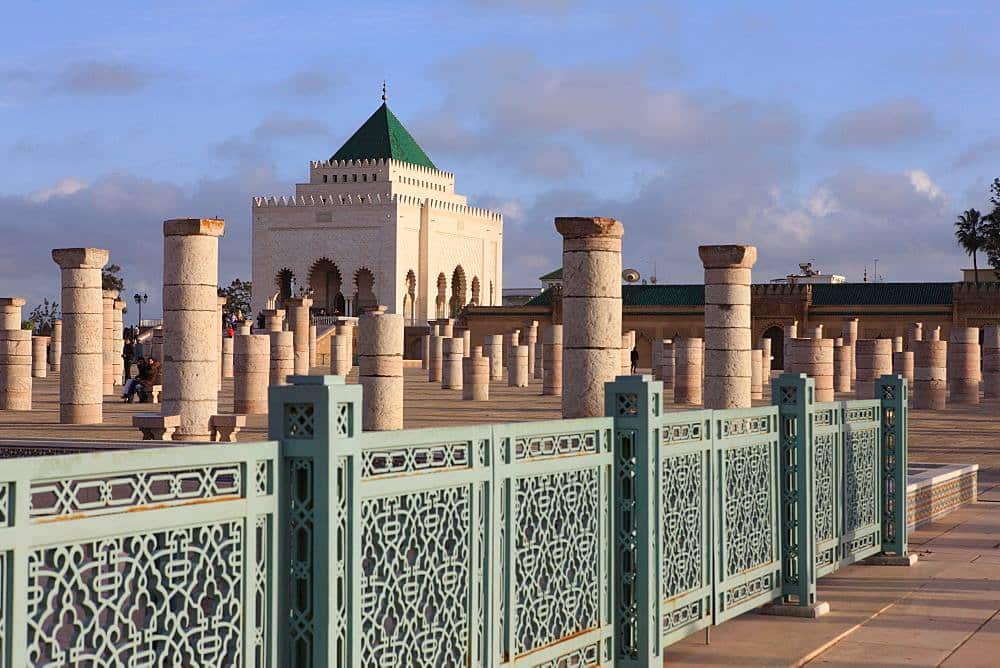
Rabat combines historic monuments with modern neighborhoods, gardens, and Atlantic Ocean views.
Suggested attractions include Hassan Tower, the Mausoleum of Mohammed V, the Kasbah of the Udayas, and the Bouregreg waterfront.
Some newer districts have wider streets and easier vehicle access than traditional medinas.
Accessibility considerations: The historic Kasbah of the Udayas includes slopes and uneven surfaces. Individual walking routes should be assessed according to mobility requirements.

Fes: History and Traditional Craftsmanship
Fes is an excellent destination for travelers interested in Moroccan history, architecture, and traditional craftsmanship.
Its historic medina is famous for narrow streets, traditional workshops, madrasas, and historic buildings.
However, Fes can be physically demanding.
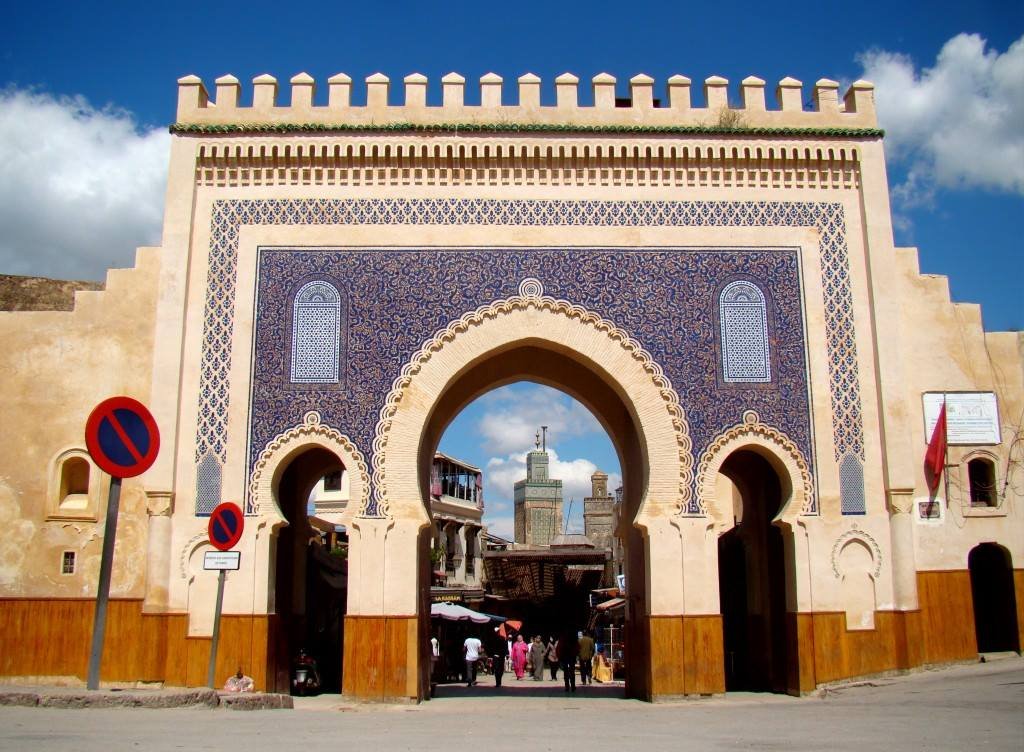
Accessibility considerations: Many medina streets are uneven, narrow, and inaccessible to vehicles. A guided visit may involve considerable walking.
For travelers with limited mobility, consider panoramic viewpoints, the Royal Palace gates, accessible craft workshops, and shorter guided visits.
Spending an additional night in Fes can help avoid combining a long sightseeing day with an intercity transfer.

Chefchaouen: Beautiful but Hilly
Chefchaouen is famous for its blue-painted streets, mountain setting, and relaxed atmosphere.
It is especially attractive to photographers and travelers who enjoy small historic towns.
Accessibility considerations: Despite its peaceful appearance, Chefchaouen has steep streets, steps, and uneven walking surfaces.
Travelers with knee problems or mobility limitations should choose accommodation carefully and avoid planning extensive walking routes.
Asilah: Coastal Relaxation and Art
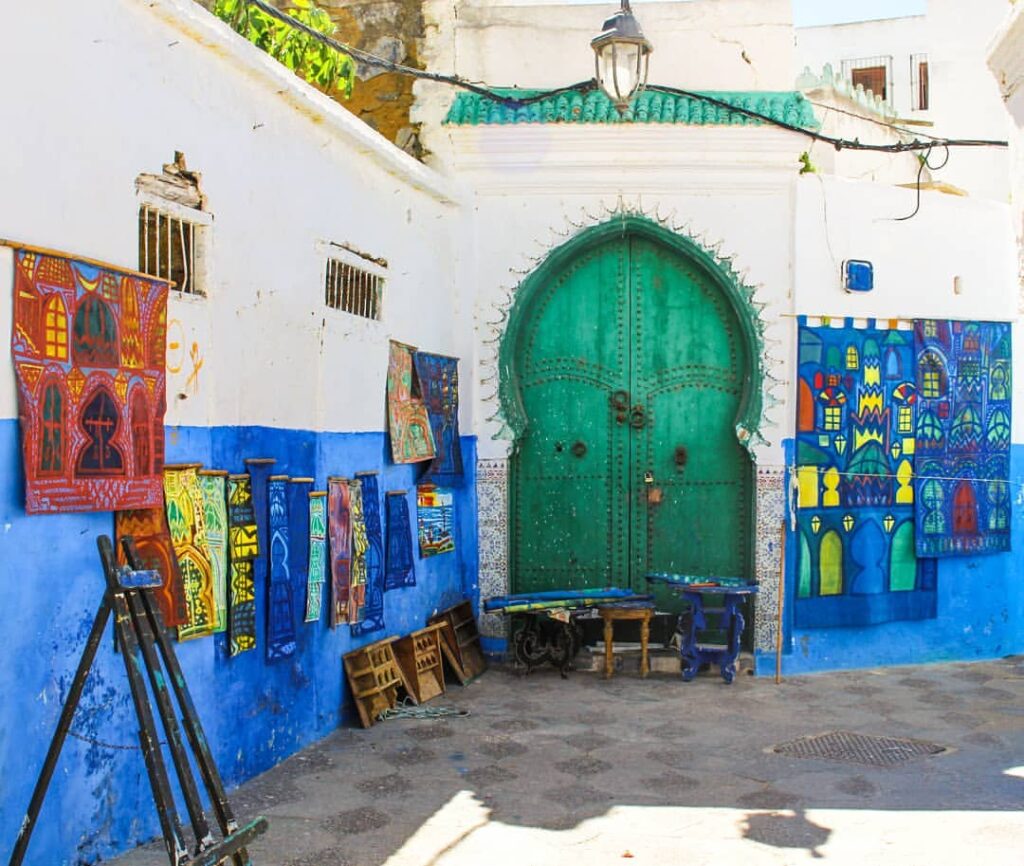
Asilah is a charming Atlantic coastal town known for whitewashed buildings, colorful murals, and a peaceful atmosphere.
It is a good choice for travelers who enjoy photography, seaside cafés, and relaxed cultural experiences.
Accessibility considerations: Some streets are relatively level, but historic paving and access restrictions remain. Not every area is suitable for wheelchairs or walkers.
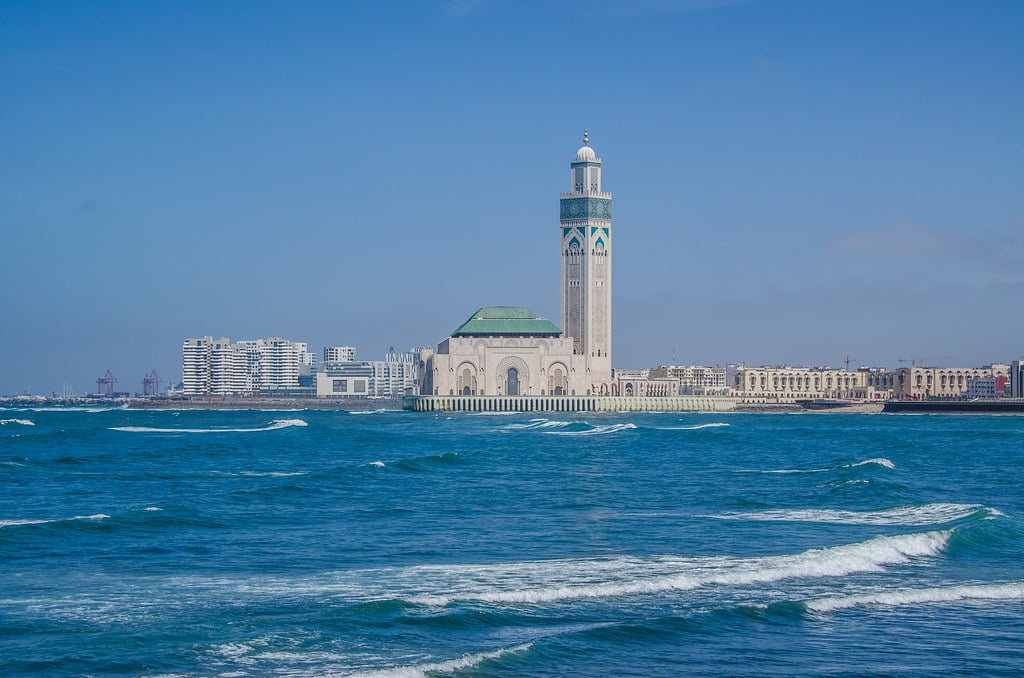
Casablanca: Modern Morocco and Coastal Landmarks
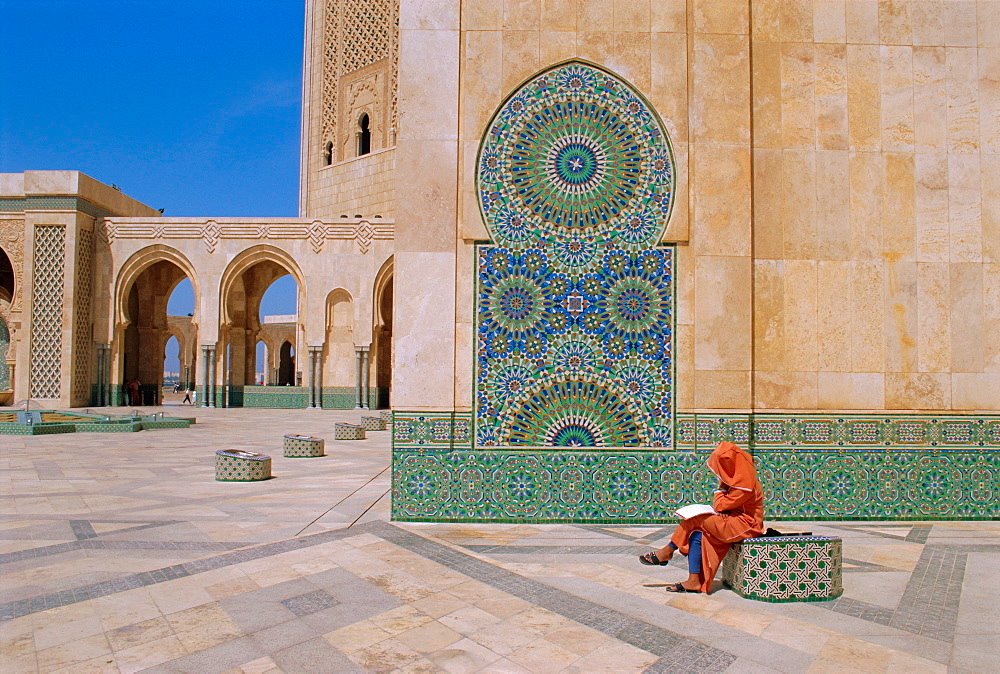
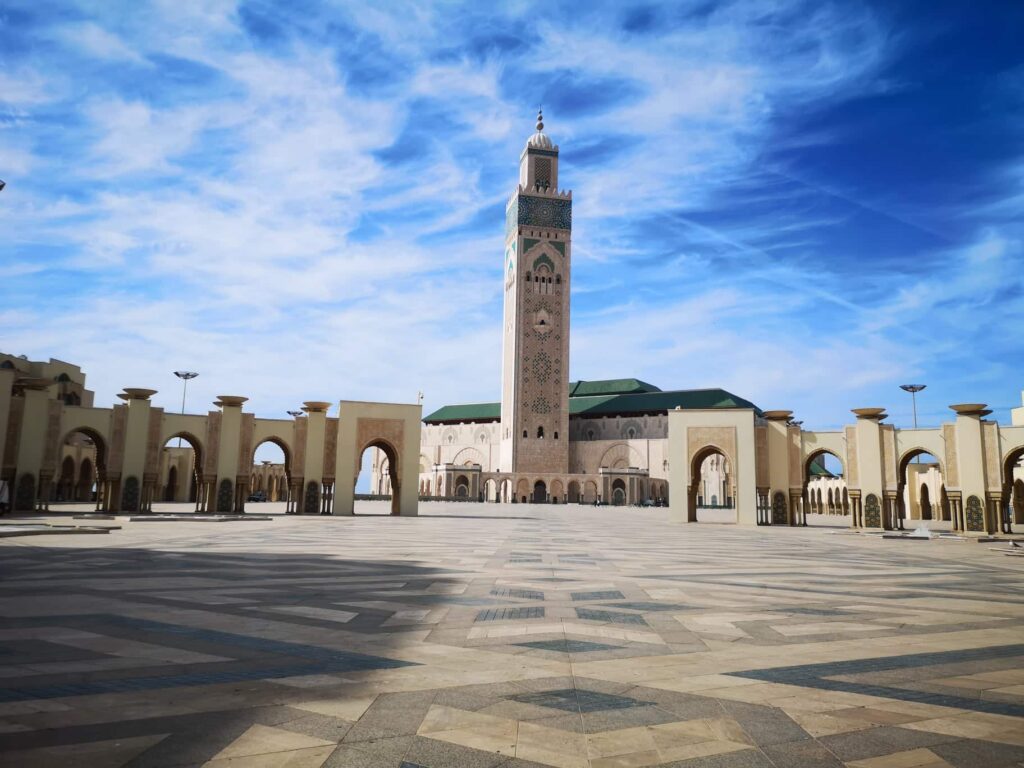
Casablanca is Morocco’s largest city and offers modern hotels, restaurants, and the impressive Hassan II Mosque.
The city is especially useful for travelers arriving through Mohammed V International Airport.
Accessibility considerations: Modern districts can offer convenient accommodation and transport, but traffic, crowded sidewalks, and individual attraction access should still be considered.
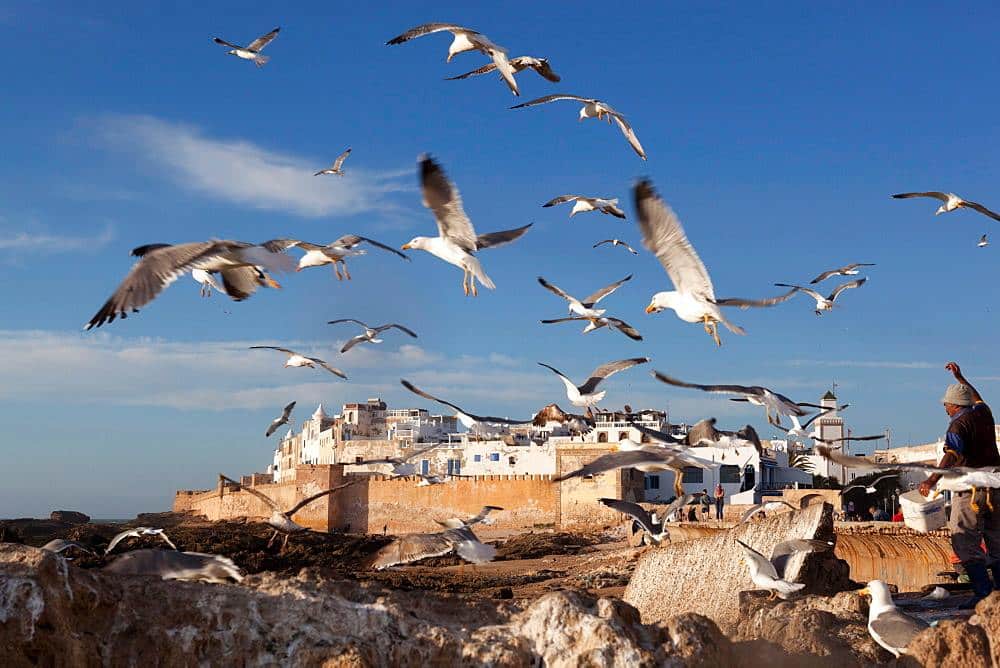
Essaouira: Atlantic Atmosphere and Leisurely Sightseeing
Essaouira is known for its coastal scenery, historic ramparts, seafood restaurants, and artistic atmosphere.
Its compact center can suit travelers who enjoy shorter sightseeing visits.
However, the old medina still contains uneven paving, and strong coastal winds can affect comfort.

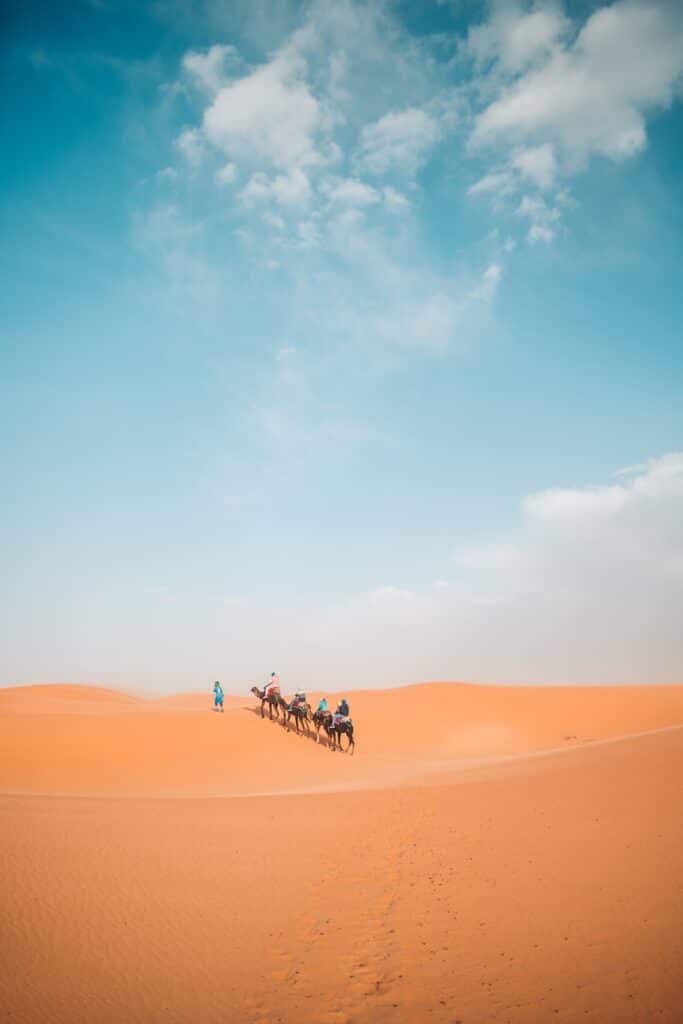
The Sahara Desert: Is It Suitable for Seniors?
The Sahara can be an unforgettable experience for older travelers, but the journey requires additional planning.
Reaching Merzouga from Marrakech or Fes involves substantial driving, often spread across multiple days.
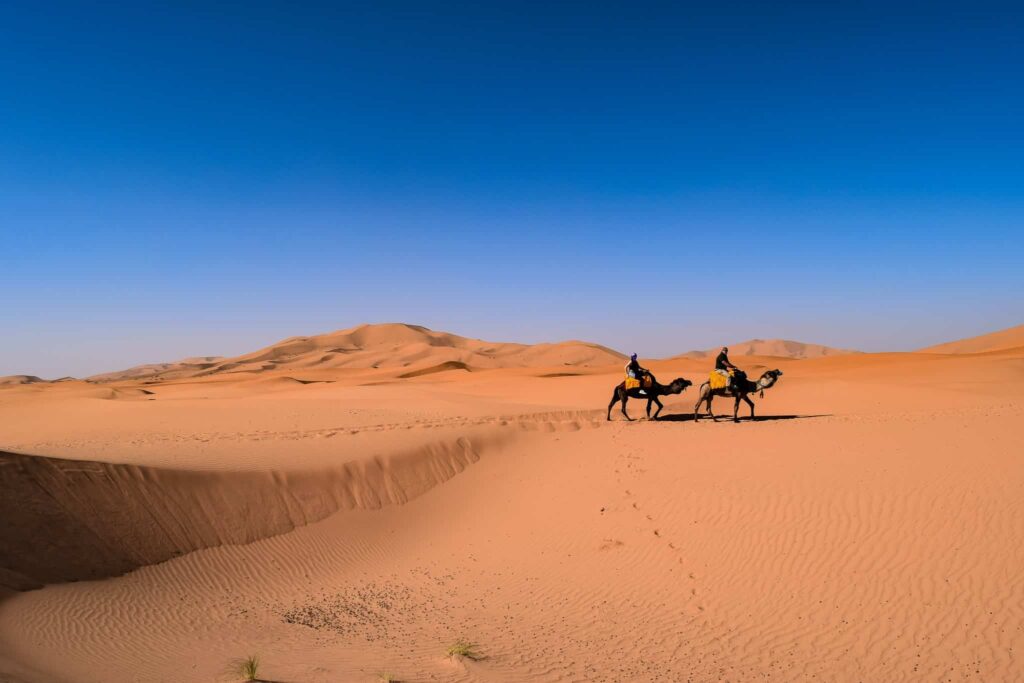
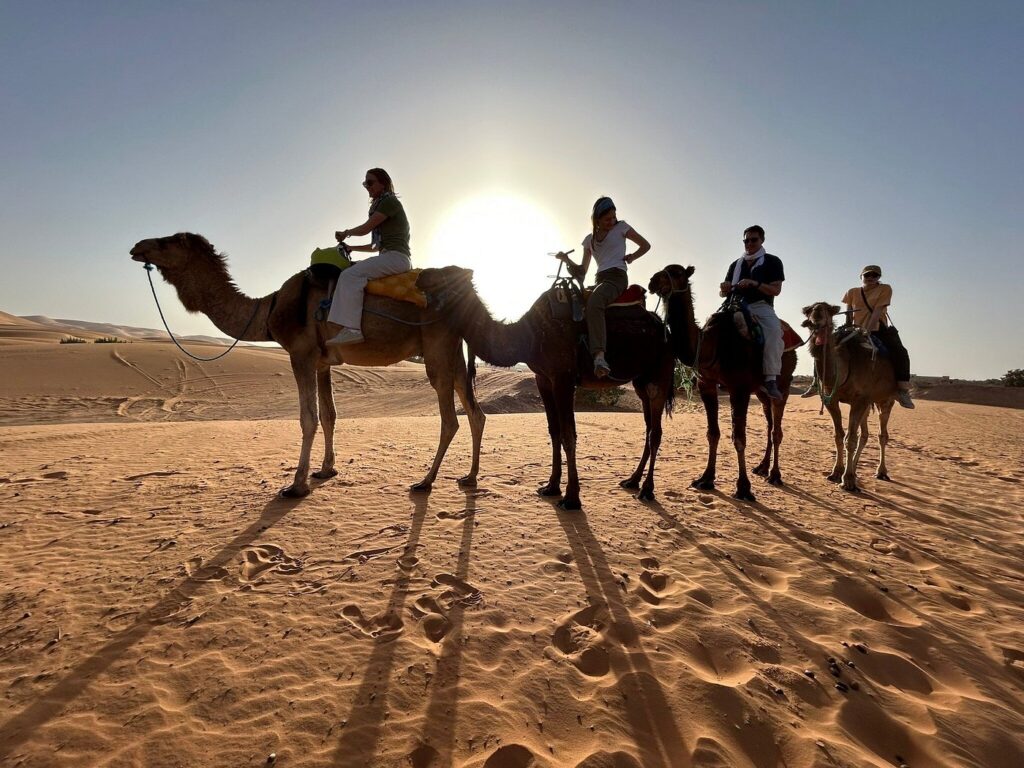
Camel riding is not essential. Depending on camp location and operating conditions, some desert camps can arrange 4×4 transfers.
Before booking a desert camp, ask about:
- Distance between vehicle drop-off and accommodation.
- Walking on soft sand.
- Availability of private bathrooms.
- Bed height and room access.
- Steps and uneven pathways.
- Heating or cooling according to season.
- Emergency transport arrangements.
The Sahara is suitable for some older travelers but may not be appropriate for everyone with significant mobility limitations.
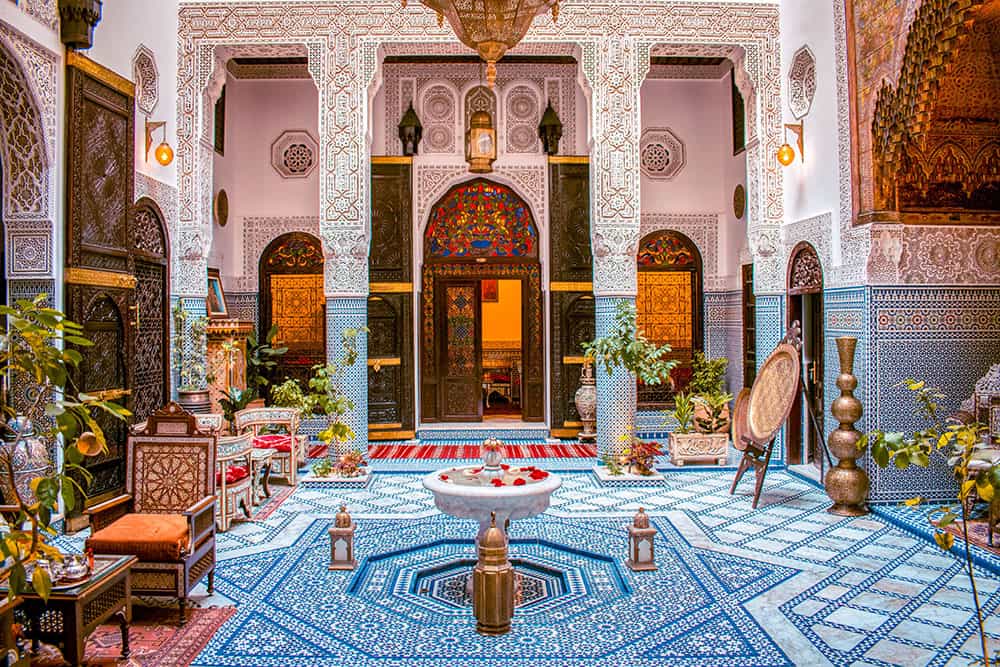
4. Choosing Senior-Friendly Hotels and Riads in Morocco
Accommodation selection is one of the most important aspects of Morocco travel over 60 or 70, especially for travelers who find stairs difficult.
Traditional Moroccan riads are beautiful, but many were built around interior courtyards with rooms on several levels.
Some historic riads have narrow staircases and no elevators.
Modern hotels may offer easier access, although accessibility varies between properties.
What should you check before booking?
- Is there an elevator or a confirmed ground-floor room?
- Are there stairs between the entrance, bedroom, and restaurant?
- Does the bathroom have a walk-in shower?
- Are grab bars or other accessibility features available if needed?
- Can the vehicle stop close to the entrance?
- Is the bed comfortable and easy to access?
- Is air conditioning or heating available?
- Can dietary preferences be accommodated?
Important: A hotel described as luxury or five-star is not automatically accessible.
Always confirm specific requirements directly with the accommodation before finalizing the booking.
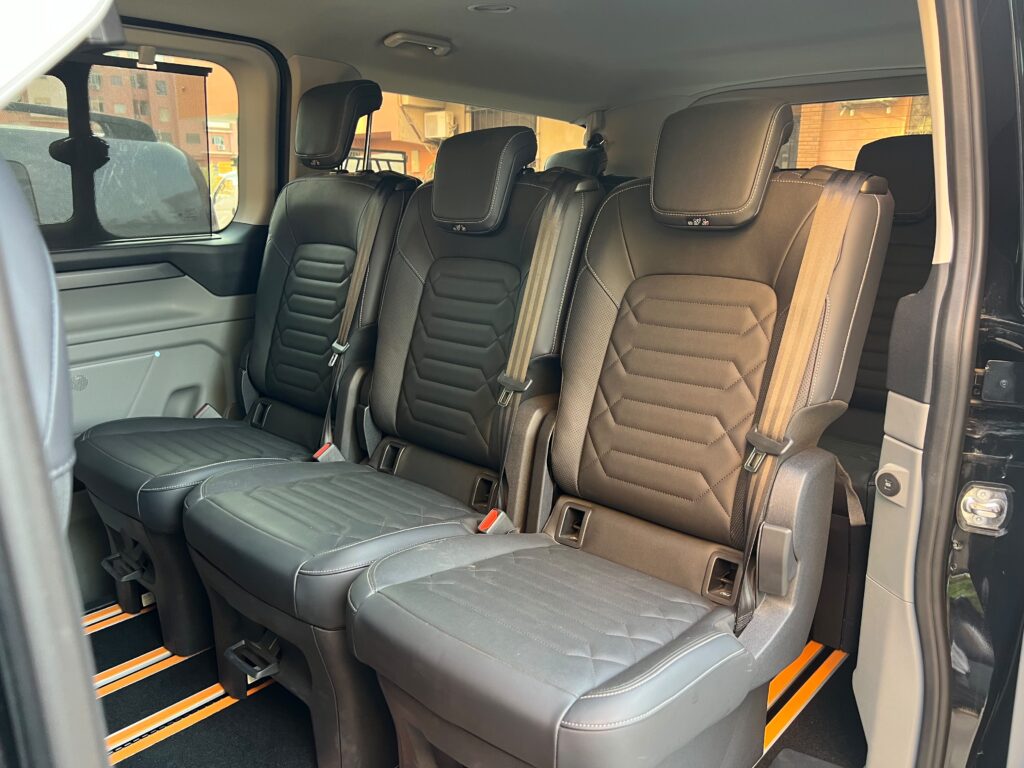
5. Transportation in Morocco for Older Travelers
Comfortable transportation can make a major difference during a multi-day journey.
Morocco has highways connecting major cities, but some rural and mountain roads are winding, and journeys may take longer than expected.
Private vehicles
A private air-conditioned car, SUV, or minivan allows travelers to choose departure times, request breaks, and adjust sightseeing plans.
When selecting a vehicle, consider:
- Comfortable seats with sufficient legroom.
- Easy entry and exit.
- Adequate luggage space.
- Effective air conditioning.
- Seat belts for every passenger.
- Room for mobility aids when necessary.
A vehicle with a high step may be less suitable for someone with knee or hip difficulties, even if it is spacious.
Trains
Morocco’s railway network connects major destinations, including Casablanca, Rabat, Tangier, Fes, and Marrakech.
Train travel can be convenient for some journeys, but travelers should check station accessibility, luggage handling, transfers, and the availability of suitable assistance.
Guided sightseeing
A local guide familiar with the destination can help organize shorter walking routes, rest breaks, and suitable meeting points.
However, private transportation cannot reach every street inside Morocco’s historic medinas.
6. Best Time to Visit Morocco for Seniors
For many travelers, spring and autumn provide comfortable conditions for sightseeing.
However, Morocco has different climates across its coastal cities, inland regions, mountains, and desert areas.
Spring: March to May
Spring is generally a pleasant season for visiting Marrakech, Fes, Rabat, and northern Morocco.
Temperatures are often more comfortable for walking than during midsummer, although rainfall and occasional hot days remain possible.
Autumn: September to November
Autumn is another popular period for cultural sightseeing.
September can still be hot in Marrakech and southern Morocco, while October and November are often more comfortable.
Summer: June to August
Summer temperatures can be particularly high in inland and desert regions.
Travelers sensitive to heat may prefer coastal destinations, morning sightseeing, and air-conditioned accommodation.
Winter: December to February
Winter can be suitable for visiting many Moroccan cities, but evenings may be cold, particularly inland and in the mountains.
Check that your accommodation has effective heating, and prepare for possible rain or mountain weather disruptions.
Best overall advice: Choose your travel season according to the regions you plan to visit, your tolerance for heat or cold, and your preferred activities.
7. Health and Safety Tips for Seniors Visiting Morocco
Good preparation helps travelers enjoy their holiday with greater confidence.
Before departure
- Arrange travel insurance that covers your needs, including pre-existing conditions where applicable.
- Discuss travel plans with a healthcare professional if you have medical concerns.
- Carry sufficient prescription medication in original packaging.
- Check medication import requirements before traveling.
- Keep a copy of prescriptions and important medical information.
- Confirm any required vaccinations or travel health precautions using current official guidance.
During the journey
- Drink water regularly, especially in hot weather.
- Wear comfortable shoes with good grip.
- Protect yourself from strong sun exposure.
- Allow time to rest after long journeys.
- Use extra caution on uneven steps and crowded streets.
- Keep valuables secure in busy tourist areas.
- Use trusted transportation and licensed guides where appropriate.
Medical facilities and emergency response capabilities vary by location. Larger cities generally offer more options than remote mountain or desert areas.
For official travel health information, consult the CDC Morocco travel health guidance or the relevant travel health authority in your country.
8. Morocco Travel With Limited Mobility: What to Expect
Travelers with limited mobility can enjoy many Moroccan experiences, but accessibility needs to be assessed individually.
Morocco’s historic medinas were not designed for modern vehicles or wheelchair access. Even apparently short routes may contain steep slopes, steps, and uneven surfaces.
Practical alternatives
- Replace long medina walks with shorter guided visits.
- Choose accommodation near accessible vehicle pickup points.
- Use panoramic viewpoints instead of strenuous climbs.
- Select gardens and museums with confirmed suitable access.
- Allow additional time for transfers.
- Avoid scheduling several physically demanding activities on consecutive days.
For wheelchair users, it is particularly important to verify door widths, bathroom facilities, vehicle suitability, and the accessibility of each planned attraction.
A senior-friendly itinerary is not automatically wheelchair-accessible. Specific arrangements must be confirmed in advance.
9. How Many Days Do Seniors Need in Morocco?
The ideal duration depends on how many regions you want to explore and how frequently you are comfortable changing hotels.
| Trip duration | Best suited for |
|---|---|
| 5–7 days | One or two regions with minimal transfers |
| 8–10 days | Selected imperial cities or a focused regional journey |
| 11–12 days | Several cultural destinations with some relaxed stays |
| 13–15 days | A broader itinerary with additional rest days |
| 16+ days | Extended exploration with fewer rushed transitions |
For travelers who prefer a relaxed cultural journey, 12 days can be a practical starting point, especially when the itinerary avoids long desert crossings.
Example: A 12-Day Cultural Journey
One possible route begins and ends in Marrakech and includes Casablanca, Asilah, Tangier, Chefchaouen, Fes, and Rabat.
This style of journey focuses on imperial cities, northern Morocco, and Atlantic coastal destinations rather than trying to include the Sahara Desert as well.
It can include a dedicated free day in Fes and flexible sightseeing arrangements.
For travelers interested in this type of experience, see our 12-Day Morocco Tour for Seniors, featuring a private cultural itinerary from Marrakech.
Publishing note: Verify that the linked tour URL is live before publishing this article.
10. Practical Packing Checklist for Older Travelers
Packing appropriately can make sightseeing and transfers more comfortable.
Consider bringing:
- Comfortable walking shoes with non-slip soles.
- Lightweight, breathable clothing.
- A warm layer for evenings.
- A sun hat and sunglasses.
- Sunscreen.
- A refillable water bottle.
- Prescription medication and relevant documentation.
- A small day bag.
- A portable charger.
- Personal mobility aids if required.
Avoid carrying heavy bags during sightseeing. For travelers with mobility concerns, ask in advance whether luggage assistance can be arranged at each accommodation.
11. Common Mistakes to Avoid When Planning Morocco Travel Over 60
Trying to visit too many destinations
Adding more cities does not necessarily improve a trip. Excessive hotel changes and long transfers can reduce enjoyment.
Choosing accommodation based only on photographs
A beautiful riad may have several flights of stairs and limited vehicle access.
Underestimating walking distances
A historic medina visit can involve several hours on uneven surfaces.
Assuming all desert camps are accessible
Camp access, bathroom facilities, and walking distances vary significantly.
Not allowing enough rest time
A free afternoon or an additional night can improve comfort, particularly after a long travel day.
Failing to communicate mobility requirements
Sharing specific requirements before booking allows the itinerary, vehicle, hotels, and sightseeing program to be assessed properly.
12. Frequently Asked Questions About Morocco Travel for Seniors
Is Morocco suitable for travelers over 70?
Yes, many travelers over 70 can enjoy Morocco comfortably. Age alone does not determine suitability. Walking ability, health, travel preferences, and the chosen itinerary are more important. A slower schedule and suitable accommodation can make a substantial difference.
Is Morocco safe for elderly tourists?
Morocco is a popular tourist destination, but travelers should follow normal safety precautions, stay aware of their surroundings, and check current official travel advice. Private transportation and organized sightseeing may reduce some logistical difficulties but cannot eliminate all risks.
Can seniors visit Morocco without walking long distances?
Yes, some experiences can be arranged with limited walking, including scenic drives, coastal viewpoints, gardens, and selected cultural attractions. However, many historic medinas and monuments are not fully accessible.
What is the best Moroccan city for seniors with mobility limitations?
Rabat and selected modern areas of Casablanca or Marrakech may offer convenient hotel and vehicle access. However, suitability depends on the exact hotel, attractions, and walking routes rather than the city alone.
Is Chefchaouen suitable for elderly travelers?
Chefchaouen can be enjoyable for older travelers who are comfortable walking on hills and steps. Visitors with mobility limitations should plan shorter routes and choose accommodation near accessible drop-off points.
Can seniors travel to the Sahara Desert without riding a camel?
Yes. Some desert camps offer 4×4 transfers as an alternative to camel riding. Travelers should confirm the exact transfer arrangements, walking distance over sand, and camp facilities before booking.
Is 12 days enough for a relaxed Morocco holiday?
Twelve days can be sufficient for a comfortable multi-city journey if destinations are selected carefully. A northern Morocco and imperial cities route is generally easier to organize at a relaxed pace than an itinerary attempting to cover the north, Sahara, and southern mountains within the same period.
Are Moroccan riads suitable for travelers with walking difficulties?
Some are, but many traditional riads have stairs and limited vehicle access. Travelers should request specific information about ground-floor rooms, bathrooms, entrance steps, and nearby vehicle access.
When should older travelers avoid visiting Morocco?
Travelers who are sensitive to extreme heat may wish to avoid inland and desert destinations during the hottest summer months. Those sensitive to cold should plan carefully for winter mountain and desert travel. Individual medical considerations should be discussed with a healthcare professional.
Can a Morocco itinerary be adapted for travelers with different fitness levels?
Yes. A private itinerary can often be adjusted with shorter sightseeing visits, additional rest days, alternative attractions, and different accommodation choices. Accessibility and specific support arrangements should always be confirmed before travel.
Final Thoughts: Enjoy Morocco at Your Own Pace
Morocco offers wonderful opportunities for cultural discovery at every stage of life.
The key to an enjoyable journey is choosing destinations carefully, planning realistic driving times, selecting suitable accommodation, and allowing enough time to rest.
Whether you are visiting Morocco in your 60s, 70s, or beyond, the best itinerary is one that matches your interests, comfort preferences, and mobility requirements.
If you have finished researching and would like to compare available private journeys, explore our Morocco Senior Tours collection.
For a specific northern Morocco and imperial cities journey, discover our 12-Day Morocco Tour for Seniors, which can be adjusted to suit different travel durations and personal preferences.